From November 28 to 30, the International Forum on Advanced Health Engineering 2025 (IFAHE 2025) took place at the International Phase I, Tsinghua Shenzhen International Graduate School (Tsinghua SIGS). Co-hosted by the Institute of Biopharmaceutical and Health Engineering (iBHE) of Tsinghua SIGS and the Department of Chemical Engineering, Tsinghua University, the forum centered on themes including Medical Health Technology and Artificial Intelligence (AI), Biopharmaceutical Technology and Process Engineering, Health Products and Biomanufacturing, and AI for Medicine and Engineering.
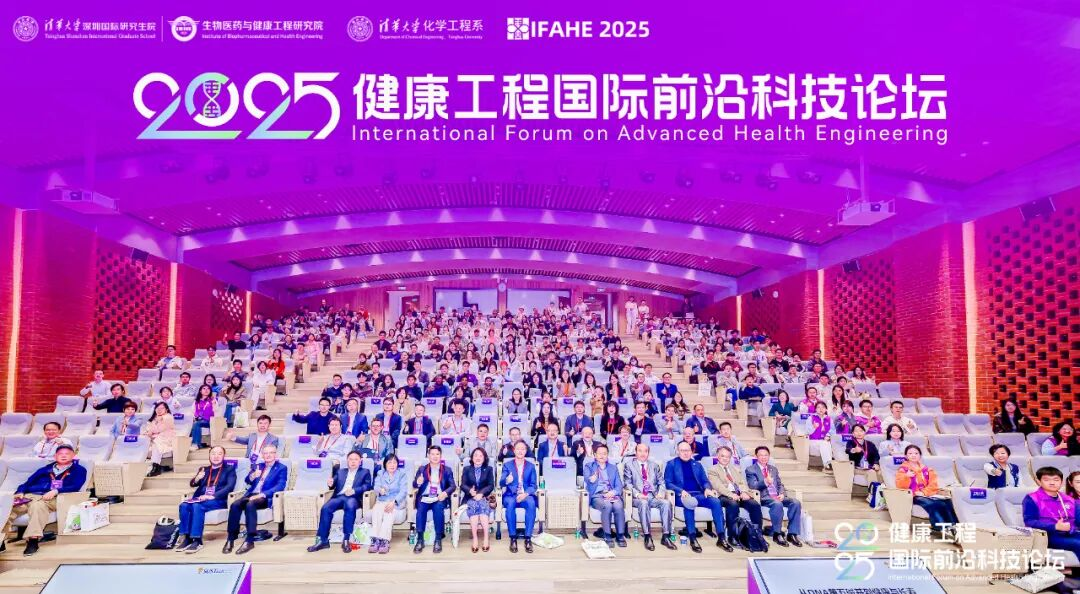
Featuring 20 plenary keynote lectures and more than 50 presentations across four sessions, IFAHE brought together around 100 leading scholars and industry representatives from all over the world. Lecture speakers shared their latest research breakthroughs in biomedicine and health engineering field, offering insights into emerging trends and future directions. The forum attracted over 300 participants from universities, research institutes, and enterprises at home and abroad.
The forum opened on the afternoon of November 28. Opening remarks were delivered by Ms. Qian Chun, inspector from Guangdong Association for Science and Technology; Ms. Chen Xianmei, researcher from Frontier Technology Department of Shenzhen Science and Technology Innovation Commission; Professor Zhang Qiang, dean of the Department of Chemical Engineering, Tsinghua University; Professor Guan Tian, deputy secretary of the Party Committee of Tsinghua Shenzhen International Graduate School; Mr. Hu Wenyan, executive vice president and secretary-general of the China Biochemical Pharmaceutical Industry Association; and Professor Xing Xinhui, acting deputy dean of iBHE at Tsinghua SIGS.
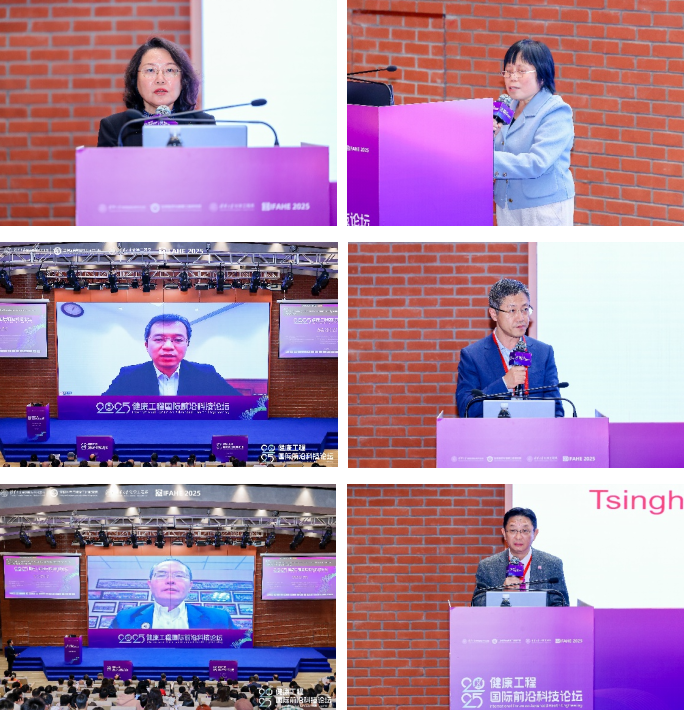
Qian Chun, Chen Xianmei, Zhang Qiang, Guan Tian, Hu Wenyan, Xing Xinhui addressed the opening ceremony
In the plenary lecture session, Professor Zhu Jiankang from Southern University of Science and Technology, member of the U.S. National Academy of Sciences, explained the molecular mechanisms that shape human lifespan and health in terms of DNA epigenetics, and outlined efforts needed to further gene-editing–based therapies and industrial applications.
Professor Zhang Linqi from Tsinghua University introduced MabSeek, a fully automated antibody discovery platform that combines structural modeling, bioinformatics analysis, and automated experimentation to accelerate the identification and functional characterization of antibody lead candidates.
Professor Yasuyuki Sakai from the Department of Chemical and Biological Engineering, University of Tokyo, highlighted several limitations of current human cell–based microphysiological systems and demonstrated how integrating systems biology models with cell population dynamics models can deepen the understanding of liver inflammation and fibrosis.
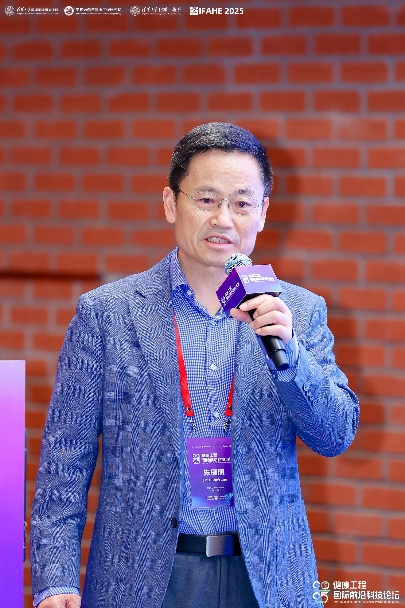
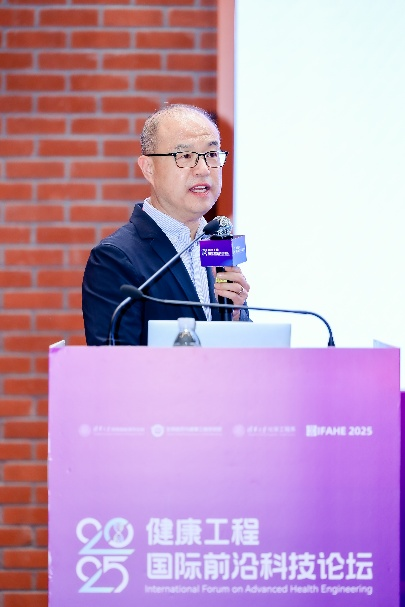
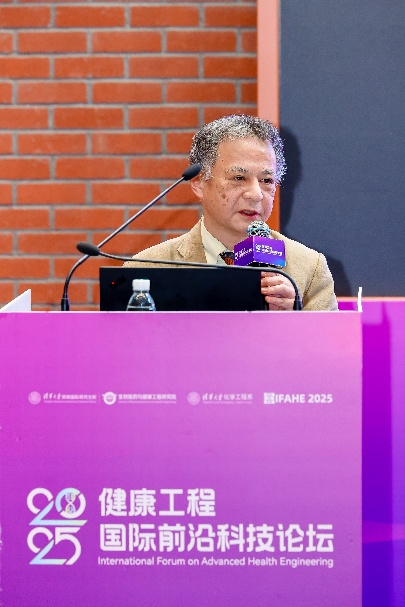
From leftmost: Prof Zhu Jiankang, Prof Zhang Linqi, Prof Yasuyuki SAKAI
Professor Tuomas Knowles from the University of Cambridge presented their work on measuring, quantifying, and elucidating protein phase separation and aggregation at the molecular level. He also demonstrated how these technologies are being leveraged to develop innovative therapeutic strategies for diseases linked to abnormal protein phase behavior.
Professor Liu Chenli from the Shenzhen Institute of Advanced Technology, Chinese Academy of Sciences, discussed research employing engineered Salmonella to uncover the delayed expression response of the interleukin-10 receptor on immune cells within solid tumors.
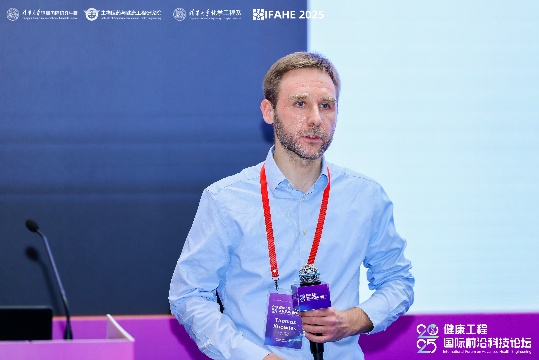
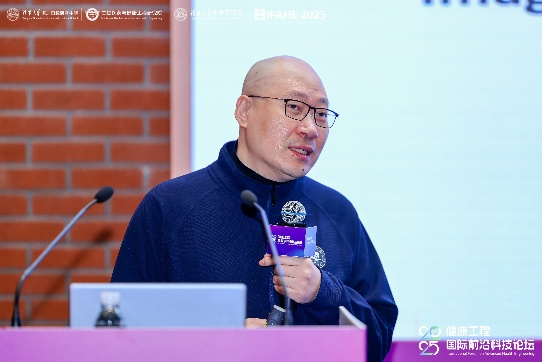
From leftmost: Prof Tuomas Knowles, Prof Liu Chenli
Professor Zhang Wei from Flinders University discussed how advanced biorefinery technologies enable the efficient extraction of diverse bioactive components, and highlighted further directions for the “Blue Health” industry driven by AI, precision nutrition, and sustainable ingredient design.
Professor Gu Zhen from Zhejiang University detailed the team’s jointly developed “cell courier” strategy, which links hematopoietic stem cells with platelets to achieve targeted drug delivery.
Professor Esteban Marcellin from the University of Queensland described how synthetic biology, automation, and advanced analytical tools are accelerating sustainable biomanufacturing development. He also explored new directions for the rapid and flexible production of monoclonal antibodies using mRNA-based technologies.
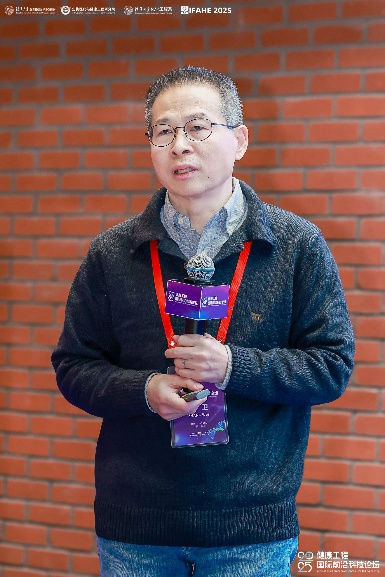
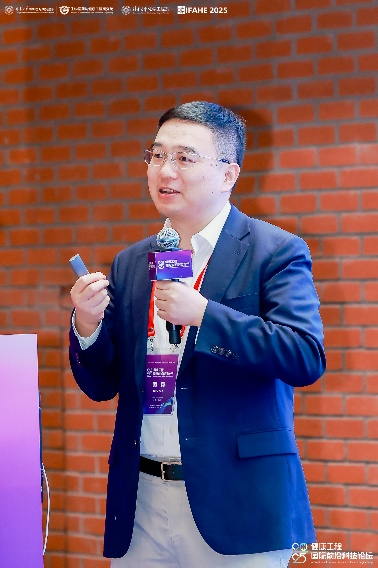
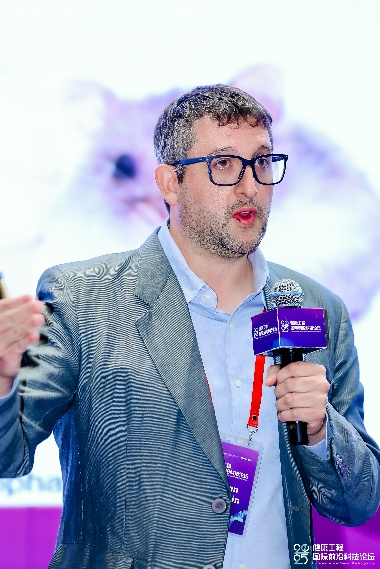
From leftmost: Prof Zhang Wei, Prof Gu Zhen, Prof Esteban Marcellin
Professor Ernst Wagner from LMU Munich, member of the European Academy of Sciences, presented the development of novel RNA delivery vectors through “chemical evolution”. This work has yielded LAF-XP, a dual-pH–responsive carrier that enables highly efficient, low-dose, and stable capable RNA delivery across multiple organs.
Professor Liu Haiyan from the University of Science and Technology of China introduced an emerging all-atom structural generative model designed to simultaneously generate both backbone and side-chain conformations, offering a tool for function-oriented protein design.
Professor Sylvestre Bonnet from Leiden University shared the latest in vivo findings on ruthenium-based photo-activated chemotherapy (PACT), which employs visible light to activate anticancer agents and achieve spatiotemporal therapeutic control.
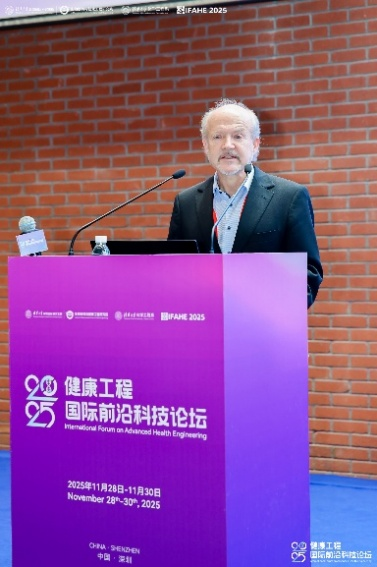
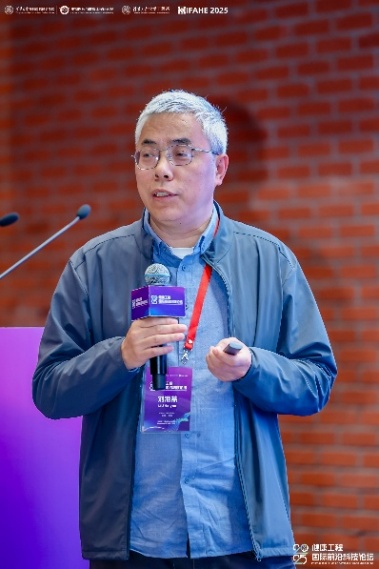
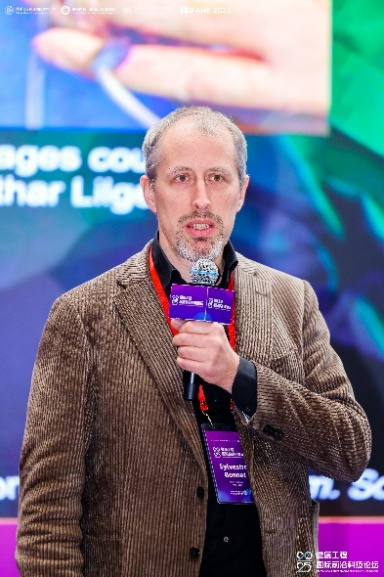
From leftmost: Prof Ernst Wagner, Prof Liu Haiyan, Prof Sylvestre Bonnet
Professor Zeng Fangang from the University of California, Irvine, foreign member of the U.S. National Academy of Engineering, outlined recommendations for establishing the clinical foundation and commercial pathway of brain–computer interface (BCI) technologies, based on considerations of safety, efficacy, and regulatory development.
Professor Yang Yi from East China University of Science and Technology presented their latest advances in integrating optogenetics with high-content imaging to support high-throughput analysis of single-cell metabolic phenotypes and signaling activities.
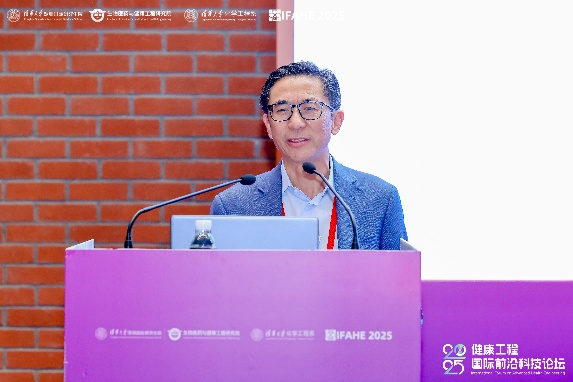
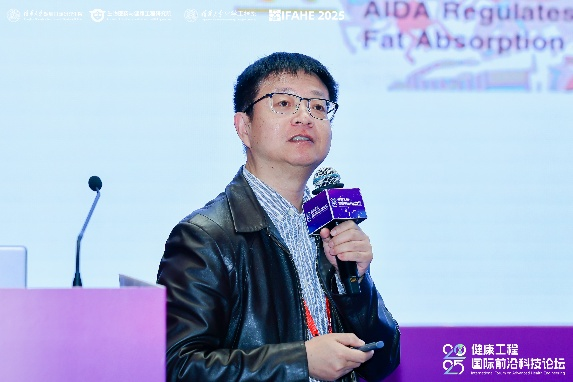
From leftmost: Prof Zeng Fangang, Prof Yang Yi
Professor Dmitry B. Zorov from Lomonosov Moscow State University, member of the European Academy of Sciences, highlighted the critical roles of mitochondria in intercellular transfer and introduced emerging therapeutic strategies that harness mitochondria or mitochondria-derived vesicles for regenerative medicine and disease treatment.
Professor Yin Hang from Tsinghua University presented the team’s development of peptide probes that recognize highly curved membrane surfaces. These probes enable the specific capture of cancer-associated extracellular vesicles and offer a novel approach for targeting selected cancer cell populations.
Joining the session remotely, Professor Juliane Winkelmann, vice president of the Technical University of Munich, discussed the identification of 164 risk loci for Restless Legs Syndrome (RLS) through genome-wide association studies. She described how integrating machine learning provides new insights to support the discovery of neurodevelopmental mechanisms of RLS and potential therapeutic targets.
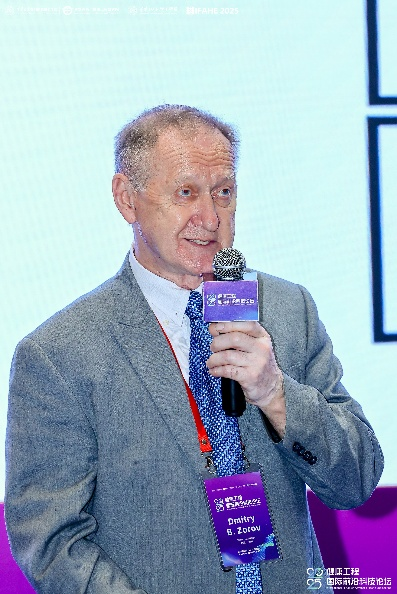
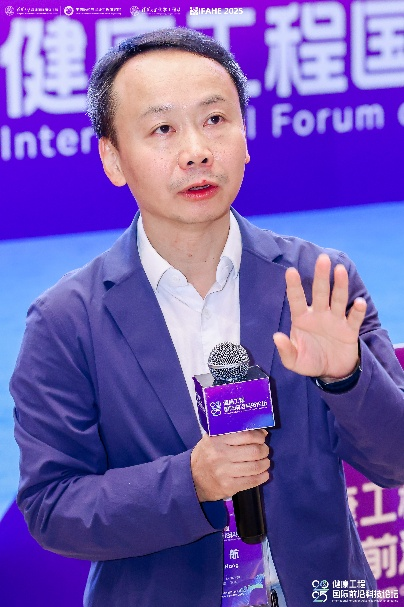
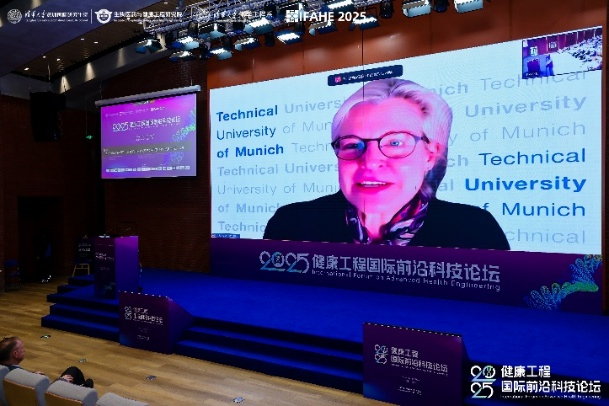
From leftmost: Prof Dmitry B. Zorov, Prof Yin Hang, Prof Juliane Winkelmann
Professor Liu Xiaogang from the National University of Singapore, a member of the Singapore National Academy of Science, presented the advantages of lanthanide nanocrystals in bio-optical applications. Through fine-tuning synthesis, surface functionalization, and multiplexed encoding, his team has enabled their use in single-particle tracking, vivo imaging, optogenetics, and theranostics.
Professor Brenda Andrews from the University of Toronto, a foreign member of the U.S. National Academy of Sciences, introduced her team’s construction of a comprehensive gene interaction network based on the analysis of four million double mutants. The study revealed multiple relationships such as synthetic lethality and gene suppression, providing a foundation for modeling cellular function.
Professor David Weitz from Harvard University, a member of the U.S. National Academy of Sciences, explained how droplet microfluidics enables ultra-high-throughput analysis of biological samples and highly sensitive biomarker detection. He further presented a new concept for digital detection of biomarkers and proteins through multiplexed PCR within microdroplets.
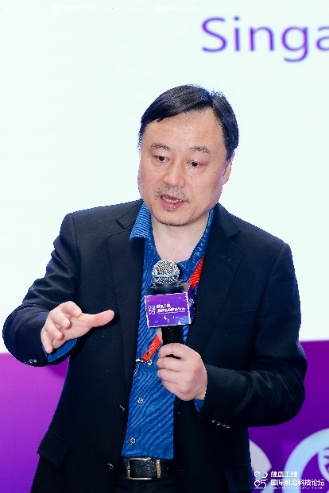
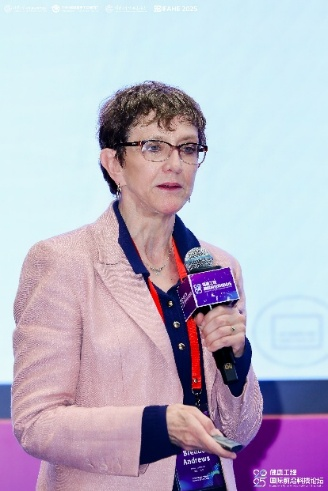
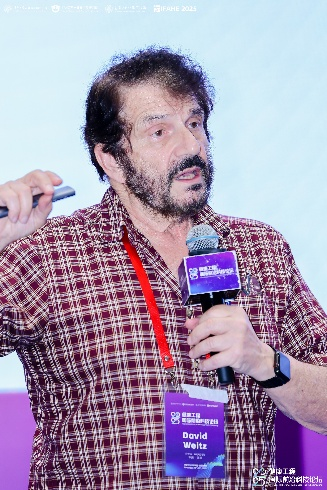
From leftmost: Prof Liu Xiaogang, Prof Brenda Andrews, Prof David Weitz
Plenary sessions were hosted by Professor Sun Hongzhe from the University of Hong Kong, Professor Zhu Jingde from Shanghai Jiao Tong University, and Professor Xing Xinhui, Peter E. Lobie, Ma Lan, Chen Xiaodong, and Tan Chunyan from iBHE.
The forum featured four parallel sessions themed around Pharmaceutical and Health Technologies with AI, Biopharmaceutical Technology and Process Engineering, Health Products and Biomanufacturing, and AI for Medicine and Engineering.
The sessions covered a wide range of topics, including surgical robotic systems, industrial enzyme design, microbial fermentation, directed stem cell differentiation, and immunological targets discovery. These rich and in-depth presentations sparked lively discussions among students, faculty, and industry representatives.
The poster exhibition attracted hundreds of submissions, fully demonstrating the spirit of cross-disciplinary research and innovation. Following expert review, three first-place awards, seven second-place awards, and 11 third-place awards were presented.
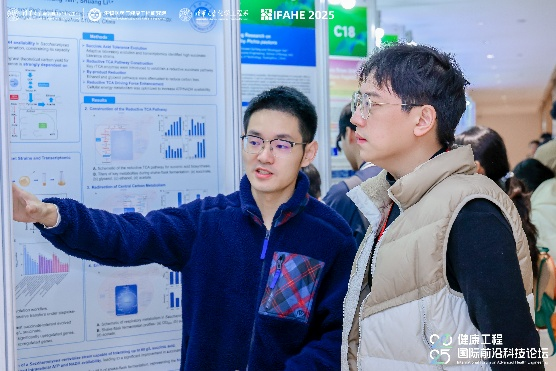
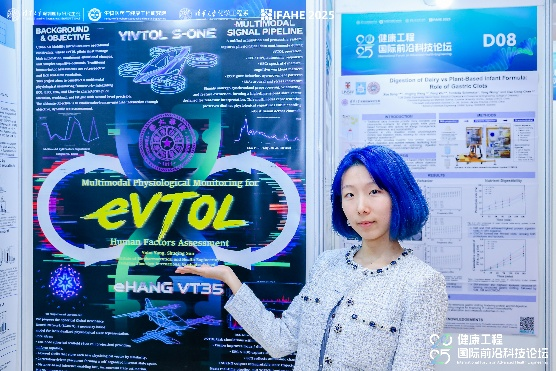
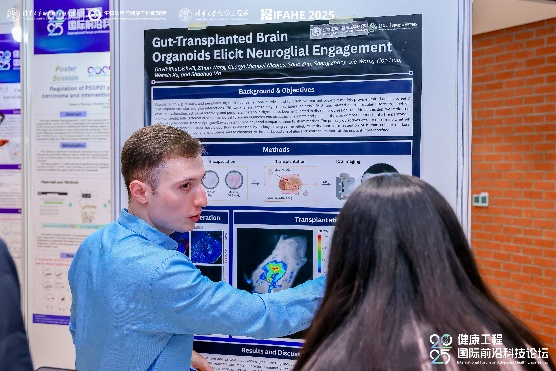
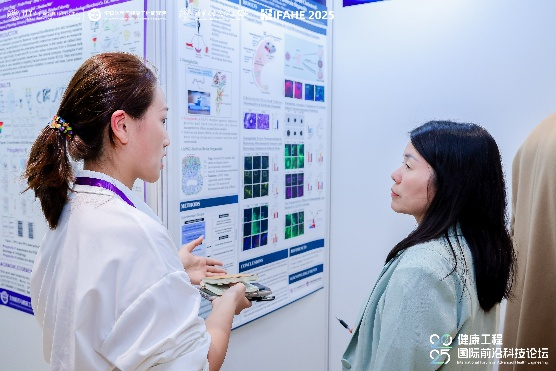
Poster session
During the forum, iBHE held a closed-door meeting of its Scientific Advisory Committee. Nearly 20 leading experts from China and abroad participated as advisory members, providing strategic guidance to shape iBHE’s future development.
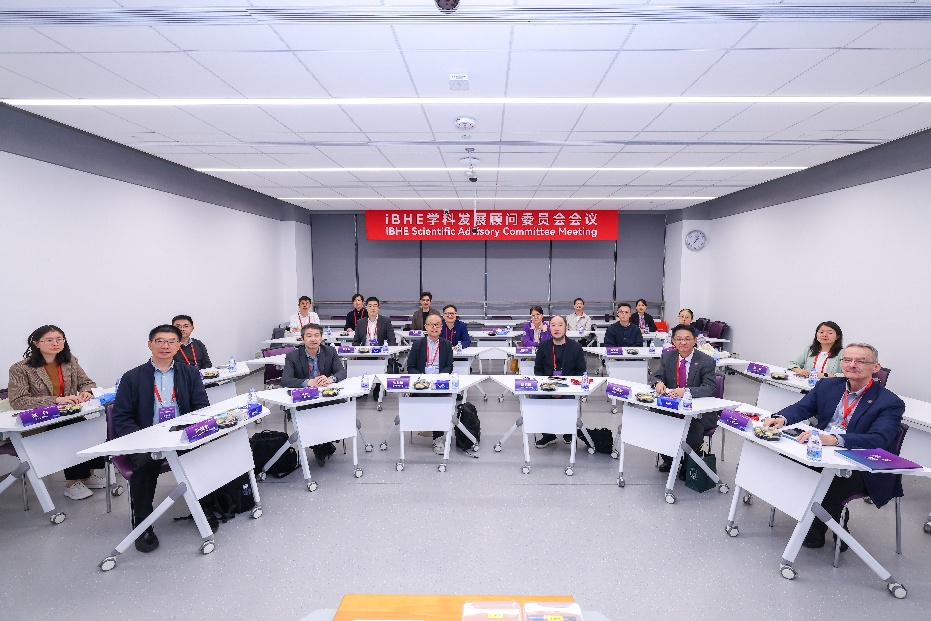
iBHE Scientific Advisory Committee Meeting
At the closing ceremony on the afternoon of November 30 , Professor Liu Xiaogang, David Weitz, Brenda Andrews, Dmitry B. Zorov, Ernst Wagner, Esteban Marcellin, Zeng Fan-gang, Xing Xinhui, Peter E. Lobie, and Chen Xiaodong presented awards to the winners of the poster exhibition. On behalf of the organizing committee, Professor Peter E. Lobie delivered the closing remarks, emphasizing that iBHE will continue to foster an open and collaborative platform and collaborate with international peers to advance innovation in the field of health engineering.
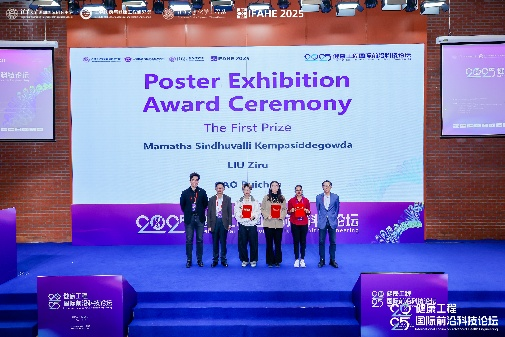
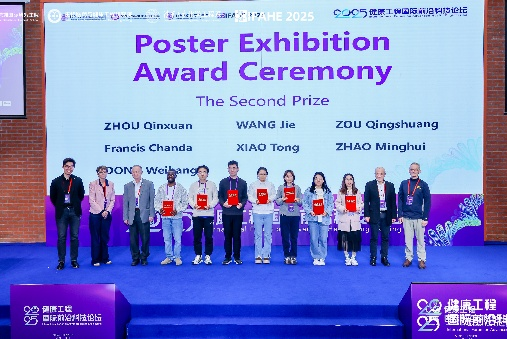
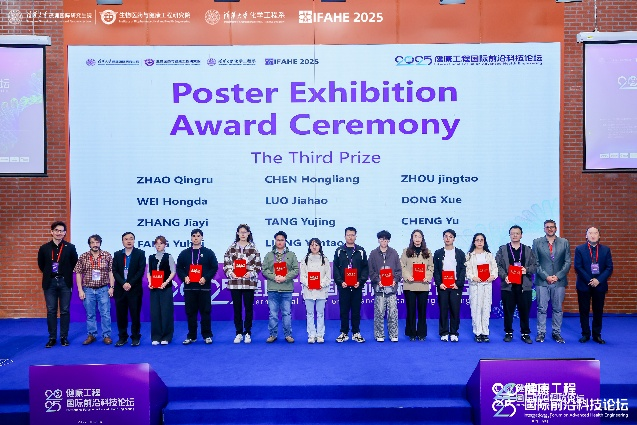
Poster Exhibition Award ceremony
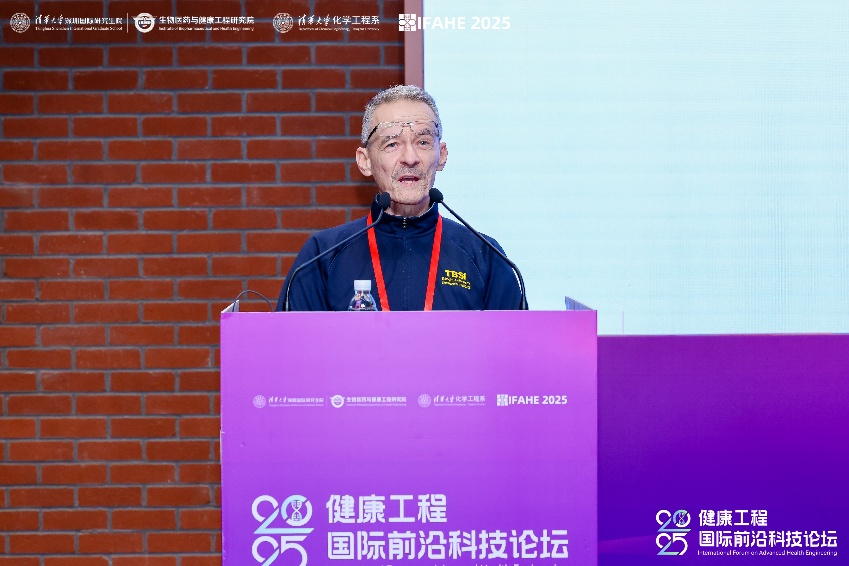
Prof Peter E. Lobie addressed the closing ceremony
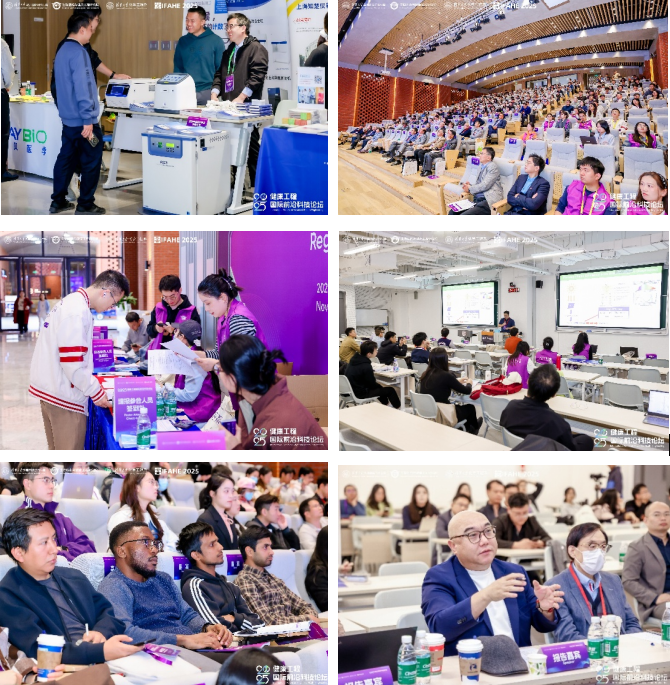
Exciting moments
The forum was co-organized by Key Lab of Industrial Biocatalysis Ministry of Education, the Guangdong Provincial Key Laboratory of Green Biomanufacturing for Active Protein and Peptides (Tsinghua SIGS), the School of Biology and Biological Engineering at South China University of Technology, the Guangdong Provincial Key Laboratory of Functional Food Bioactivity at South China Agricultural University, the China Biochemical Pharmaceutical Industry Association, and the Shenzhen Association for Biopharmaceutical Advancement.
Since the inaugural edition in 2024, IFAHE has been successfully held for the second time. IFAHE has established a robust platform for in-depth exchanges among global scholars and health engineering innovators, while creating valuable learning opportunities for early-stage researchers and students. Moving forward, iBHE at Tsinghua SIGS will continue to bring together diverse expertise, foster cross-disciplinary collaboration, and contribute innovative solutions to advancing life sciences.
Source from Institute of Biopharmaceutical and Health Engineering
Edited by Wang Jingli and Chen Jundou
Reviewed by Lin Zhoulu & Nie Xiaomei