The 2026 International Forum on Graphene in Shenzhen & International Conference on 2D Materials (IFGSZ 2026) was held at Tsinghua Shenzhen International Graduate School (Tsinghua SIGS) from April 7 to 10, bringing together participants from more than 100 universities and research institutions, as well as 50 enterprises from China and other countries and regions, including the United States, Europe, South Korea, Singapore, and Japan.
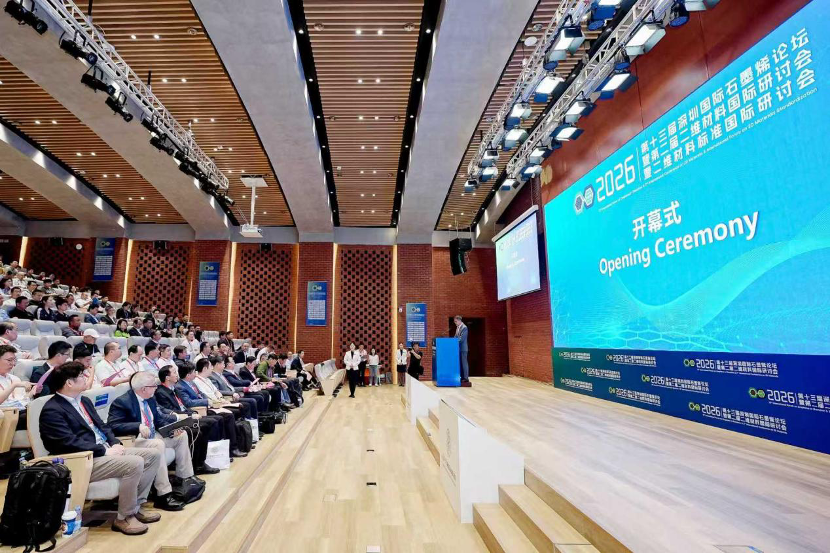
A scene of the forum’s opening ceremony on April 8. Photos courtesy of the event organizers
The forum aims to promote academic exchange and the industrialization of emerging nanomaterials such as graphene and other two-dimensional materials worldwide. It also seeks to build a platform for communication and collaboration between outstanding scientists and entrepreneurs from the country and abroad, thereby accelerating the development of graphene-related research and industrial applications.
The four-day forum features nine plenary lectures delivered by world-renowned scientists, including the Nobel laureate Andre Geim, and over 120 speeches across six parallel sessions, each focusing on different aspects of graphene, two-dimensional materials, and other nanomaterials.
Highlights of the plenary lectures at the forum
The report by Nobel laureate Andre Geim features the latest graphene reincarnation. Geim pointed out that “graphene is dead,” meaning that the peak period of graphene’s development which once sparked a global wave of scientific research and industrial enthusiasm may have become a thing of the past.
However, he noted that “long live graphene,” emphasizing that two-dimensional materials, represented by high-quality graphene, are gradually demonstrating irreplaceable and far-reaching influence, as well as sustained value in cutting-edge fields such as semiconductor light-emitting devices, electronic information, quantum transport, and superconductivity. He encouraged researchers and students to continue their research on graphene and other two-dimensional materials.
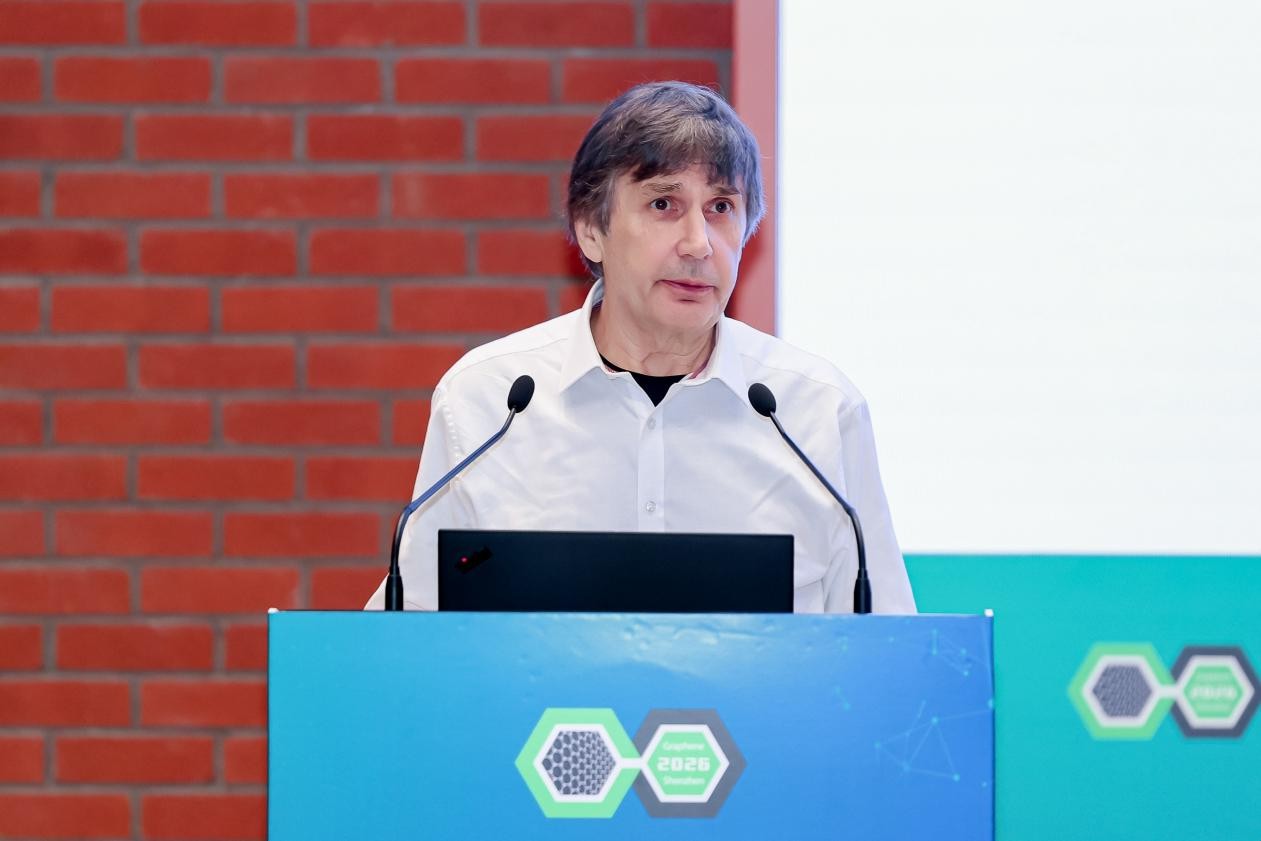
Prof. Liu Zhongfan, an academician of the Chinese Academy of Sciences and a professor at Peking University, delivered a report on super graphene-skinned material. The report points to a new direction for the practical application of graphene films, promotes the integration of graphene with traditional materials, and injects new momentum into the rapid development of the graphene industry.
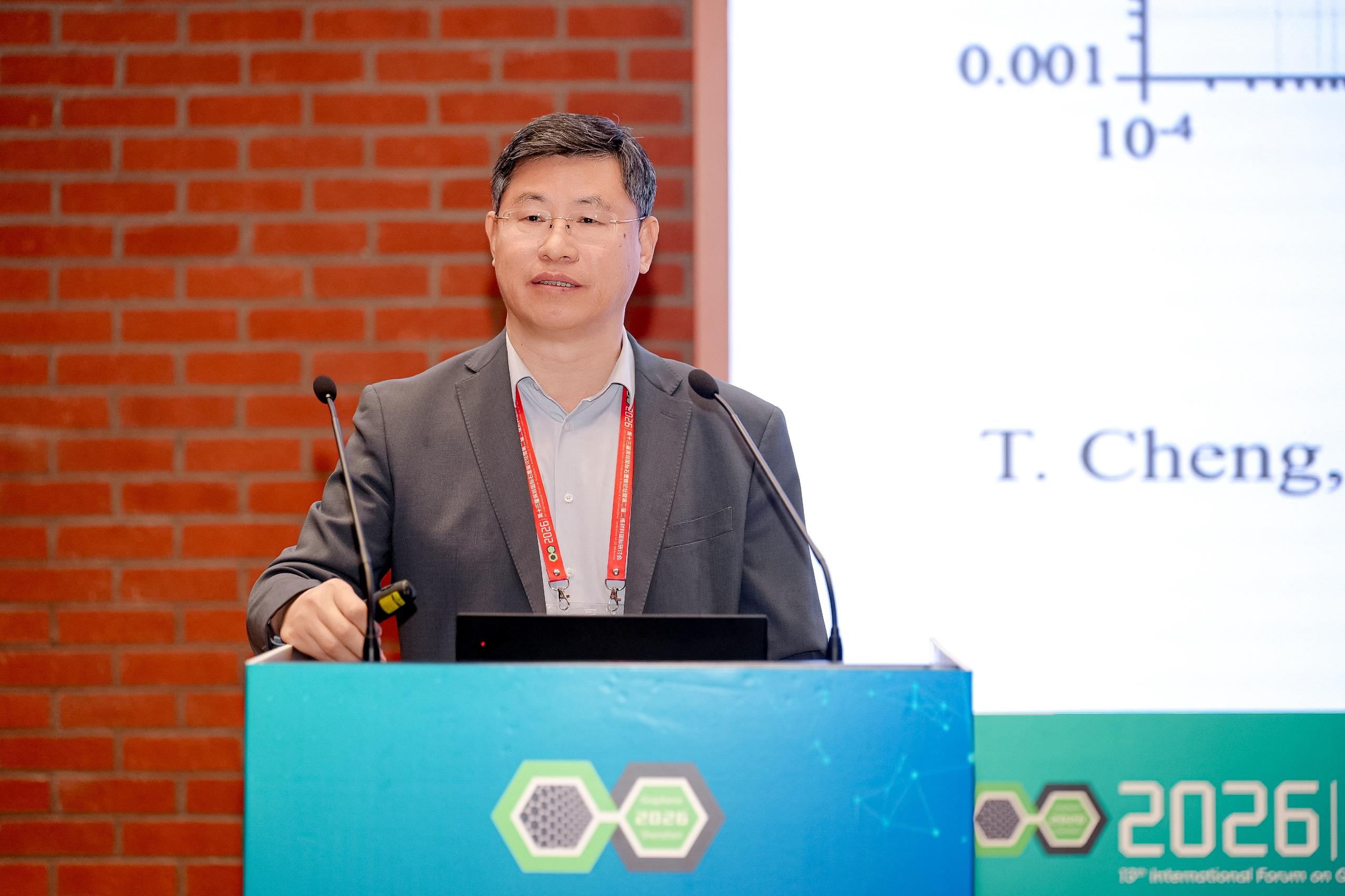
Prof. Mauricio Terrones from Pennsylvania State University focused on the mechanisms by which defects in two-dimensional materials influence their properties.

In his speech, Prof. Zhang Hua from City University of Hong Kong systematically introduced his team’s breakthroughs in the design and synthesis of two-dimensional materials with unconventional phases. He also proposed innovative concepts such as phase engineering of nanomaterials (PEN), opening up new avenues for the functional regulation and application of two-dimensional materials.

Prof. Peng Lianmao, an academician of the Chinese Academy of Sciences and dean of the School of Electronics at Peking University, presented his team’s breakthrough achievements in ferroelectric transistors with ultralow power consumption.
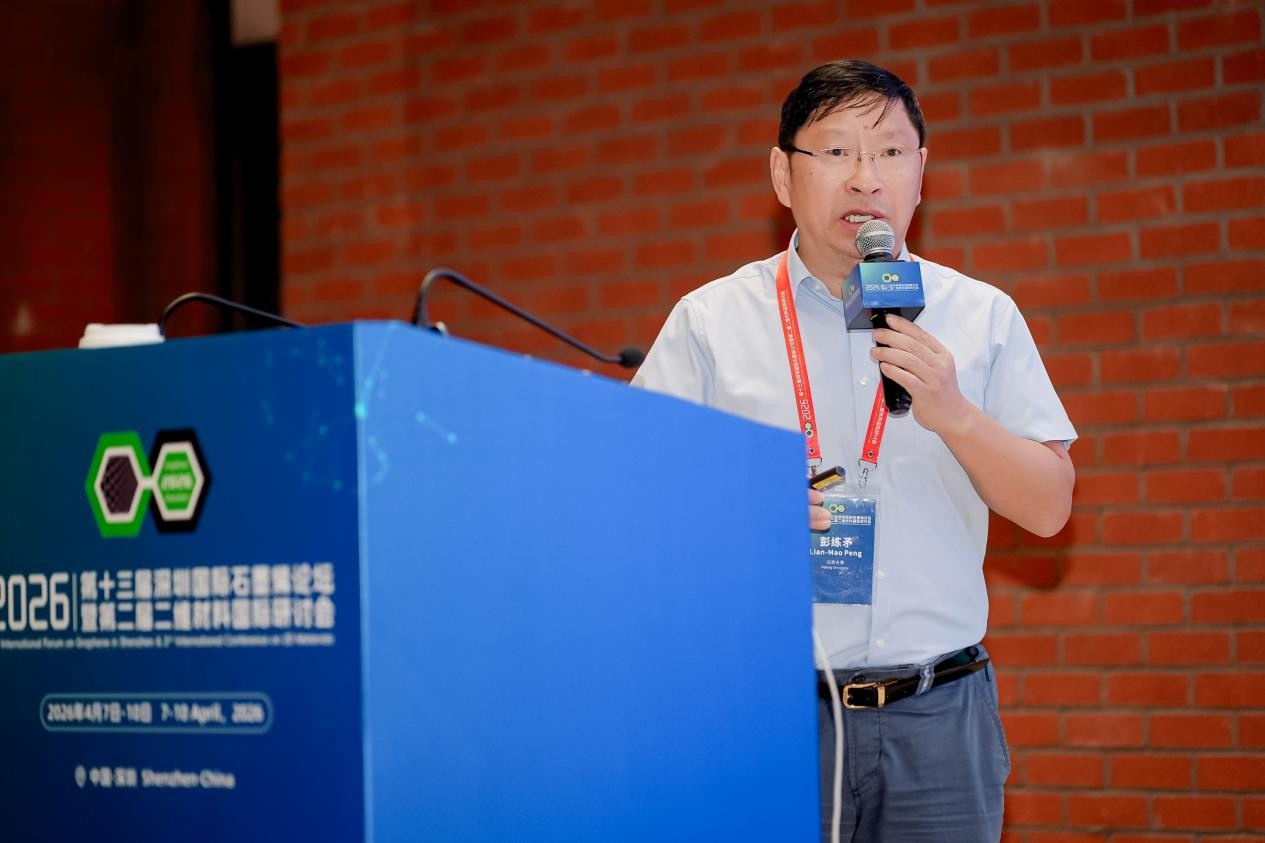
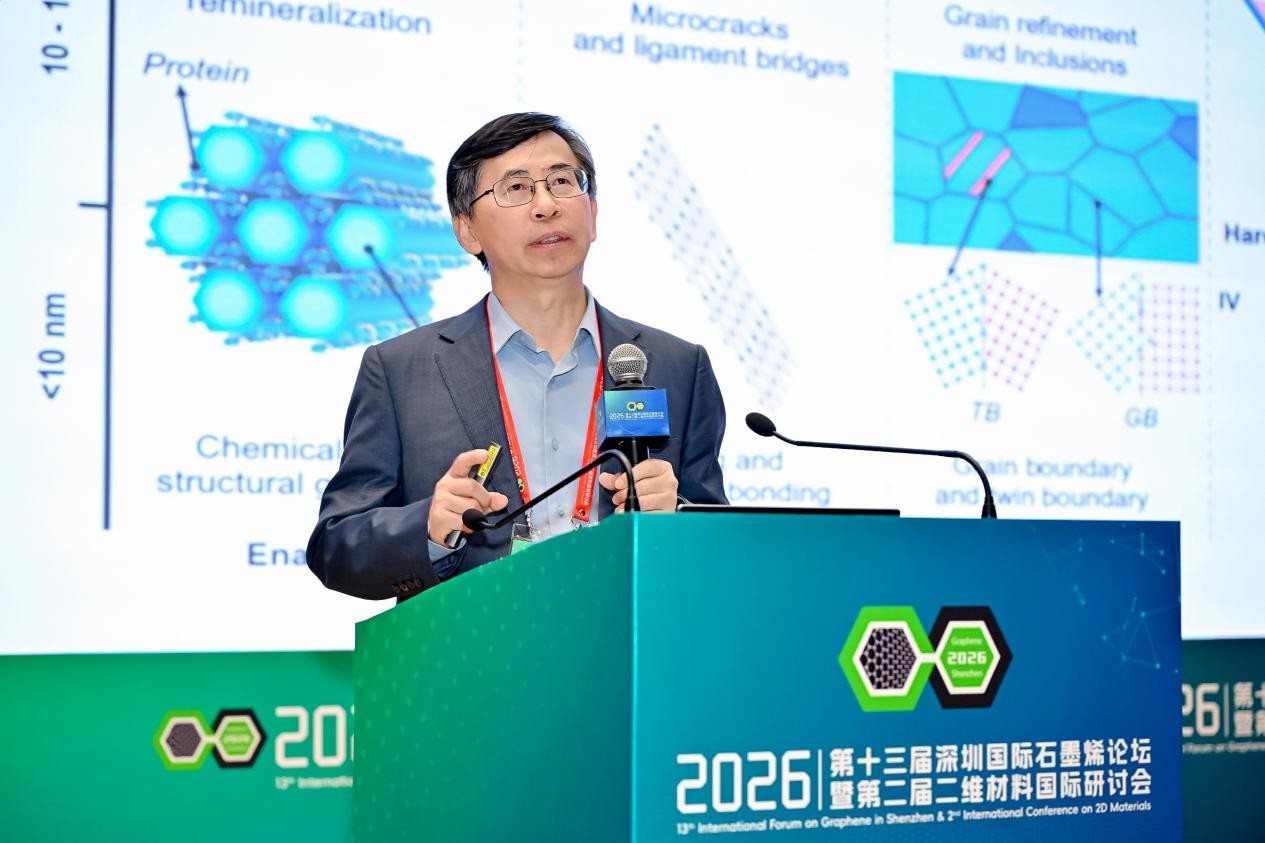
Prof. Yu Shuhong, an academician of the Chinese Academy of Sciences and director of the College of Science at Southern University of Science and Technology, highlighted cutting-edge progress in bioinspired sustainable structural materials during his presentation.
He pointed out that these biobased structural materials, developed through bioinspired manufacturing, are gradually forming a new materials system that not only provides key support for global sustainable development goals but also demonstrates broad application prospects across many fields.
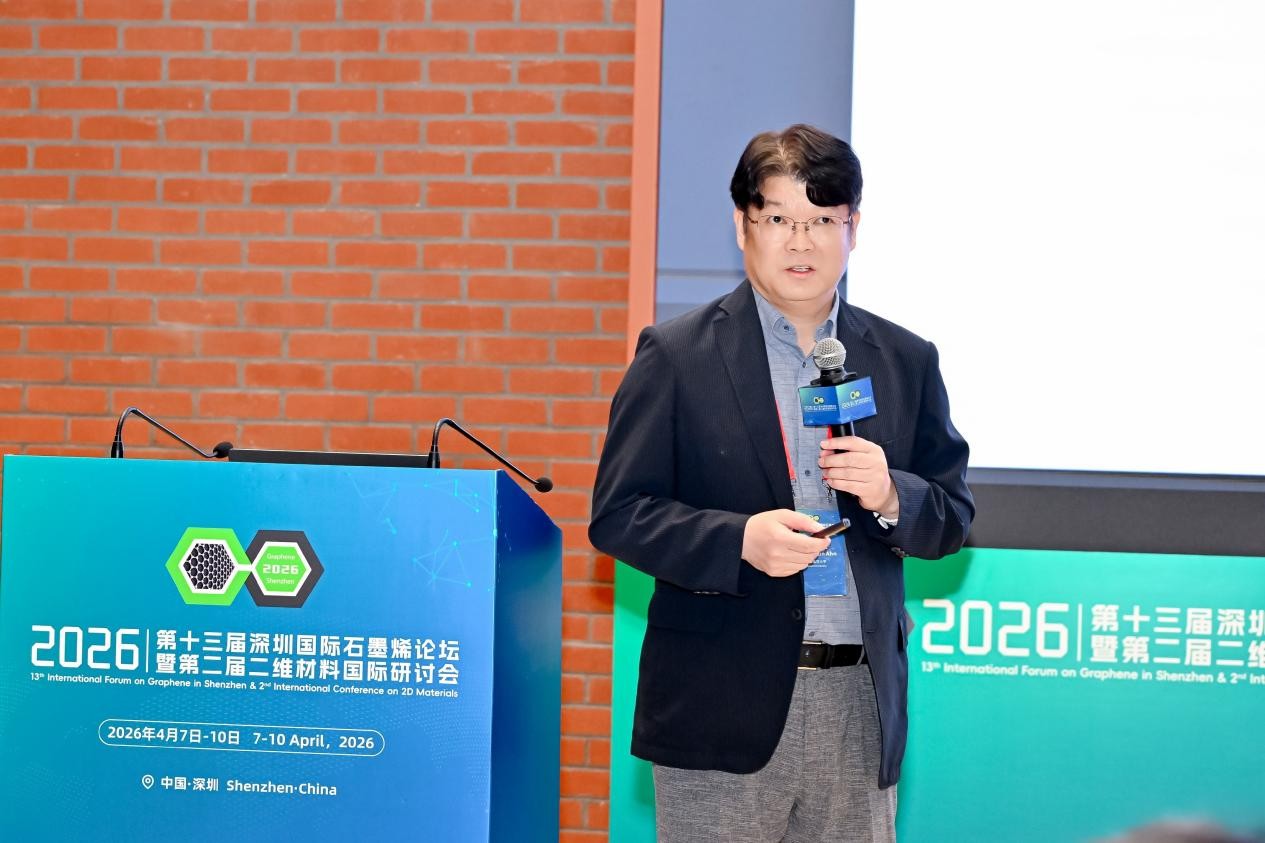
In his speech, Prof. Jong-Hyun Ahn, an academician of the Korean Academy of Science and Technology and a professor at Yonsei University, shared the latest advances in graphene and molybdenum disulfide (MoS₂). By combining the versatility of graphene with the semiconducting properties of MoS₂, his research laid a solid foundation for a new generation of biointegrated electronics, significantly advancing the development of human-machine interaction, biomedical applications, and wearable sensor technologies.
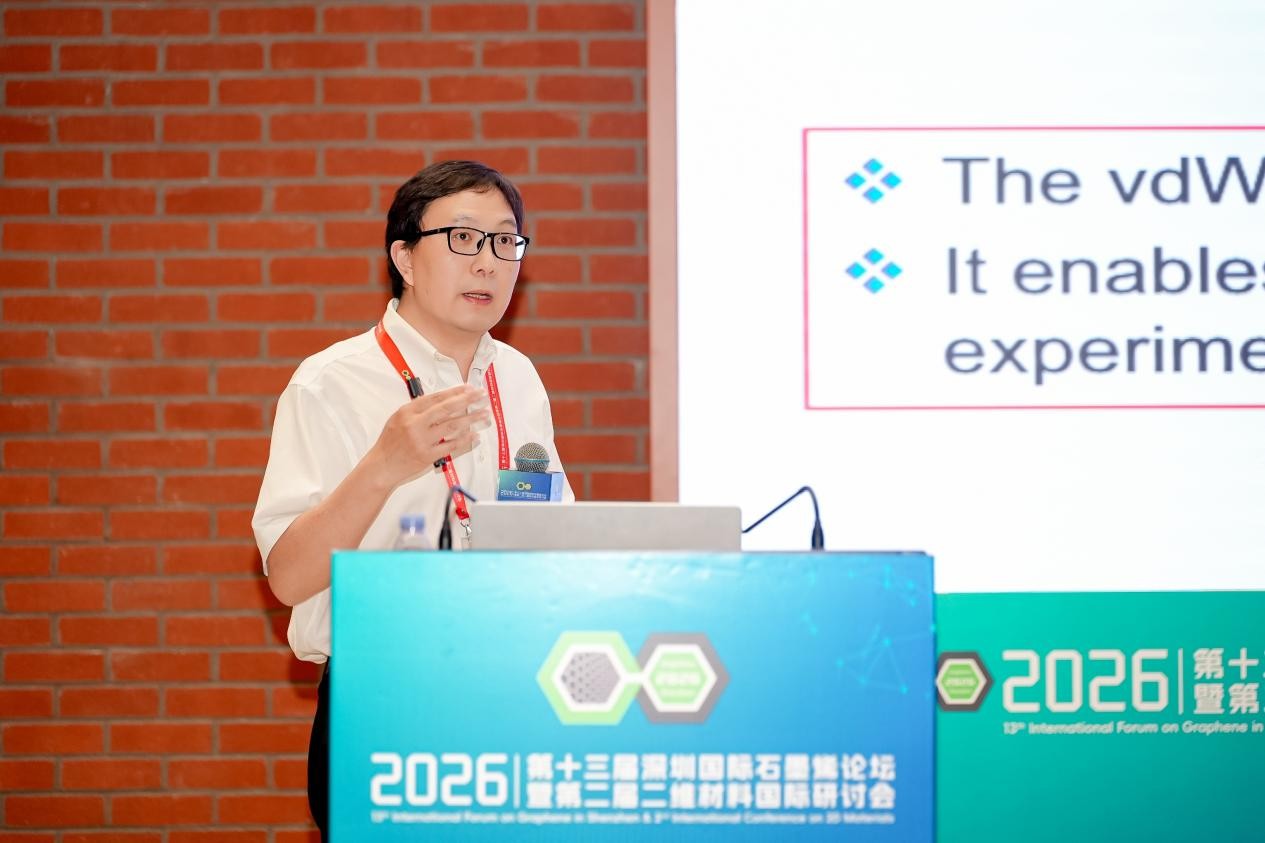
Prof. Duan Xiangfeng from the University of California, Los Angeles (UCLA), shared his research on two-dimensional atomic layers, which opens up new pathways for designing quantum materials through chemical approaches and for obtaining atomic-scale chemical information via electronic measurements.
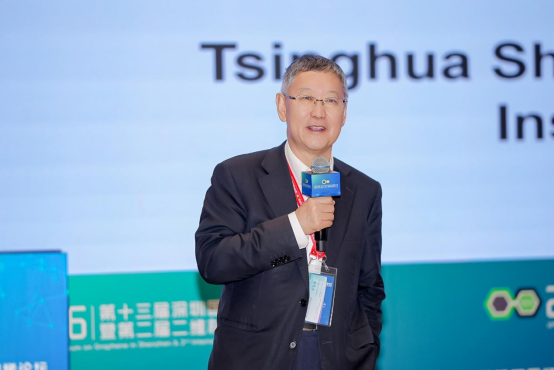
Prof. Kang Feiyu from Tsinghua SIGS noted in his report that the development and efficient storage of renewable energy, such as wind and solar power, are key pillars supporting China’s goal of achieving carbon neutrality by 2060.
Against this backdrop, the research and development of advanced layered materials are closely tied to breakthroughs in renewable energy technologies. Optimizing their performance will directly enhance the safety, stability, and energy density of energy storage systems, providing a core materials foundation for the carbon neutrality process.
In addition, a number of other featured events were held simultaneously during the forum to stimulate innovation and foster in-depth dialogue and collaboration between academia and industry.
These included CARBON workshop, IOP 2DM Awarding and Excellent Poster Ceremony, Poster Presentations, Industrial Technology Coordination Meeting, Academic Evaluation, Product and Technology Exhibition, 2D Materials Standardization Working Group Meeting, and New Materials Science Popularization Activities.
Source from the Institute of Materials Research
Edited by Wang Jingli
Reviewed by Chen Jundou, Lin Zhoulu
Layout by Peng Bin & Hu Jingwen