On May 15, Tsinghua Shenzhen International Graduate School (Tsinghua SIGS) held its third Campus Science Popularization Day and Research Exploration Festival as part of the celebrations marking its 25th anniversary.
The science popularization event featured themed lectures and laboratory visits, attracting over 1,400 teenagers. The event helped deepen young students’ understanding of technological innovation and the work of scientific researchers.
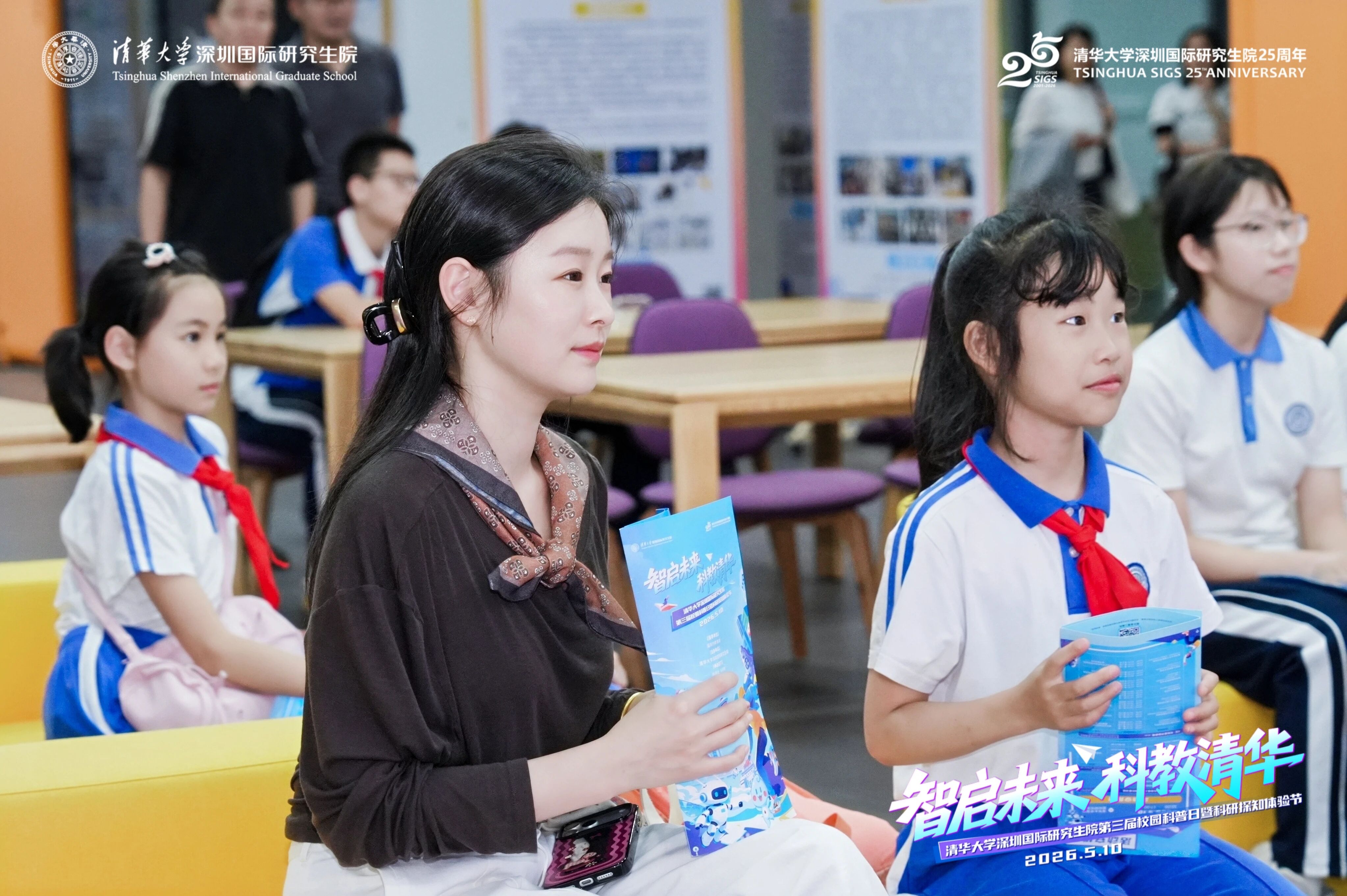
Participants at a themed lecture
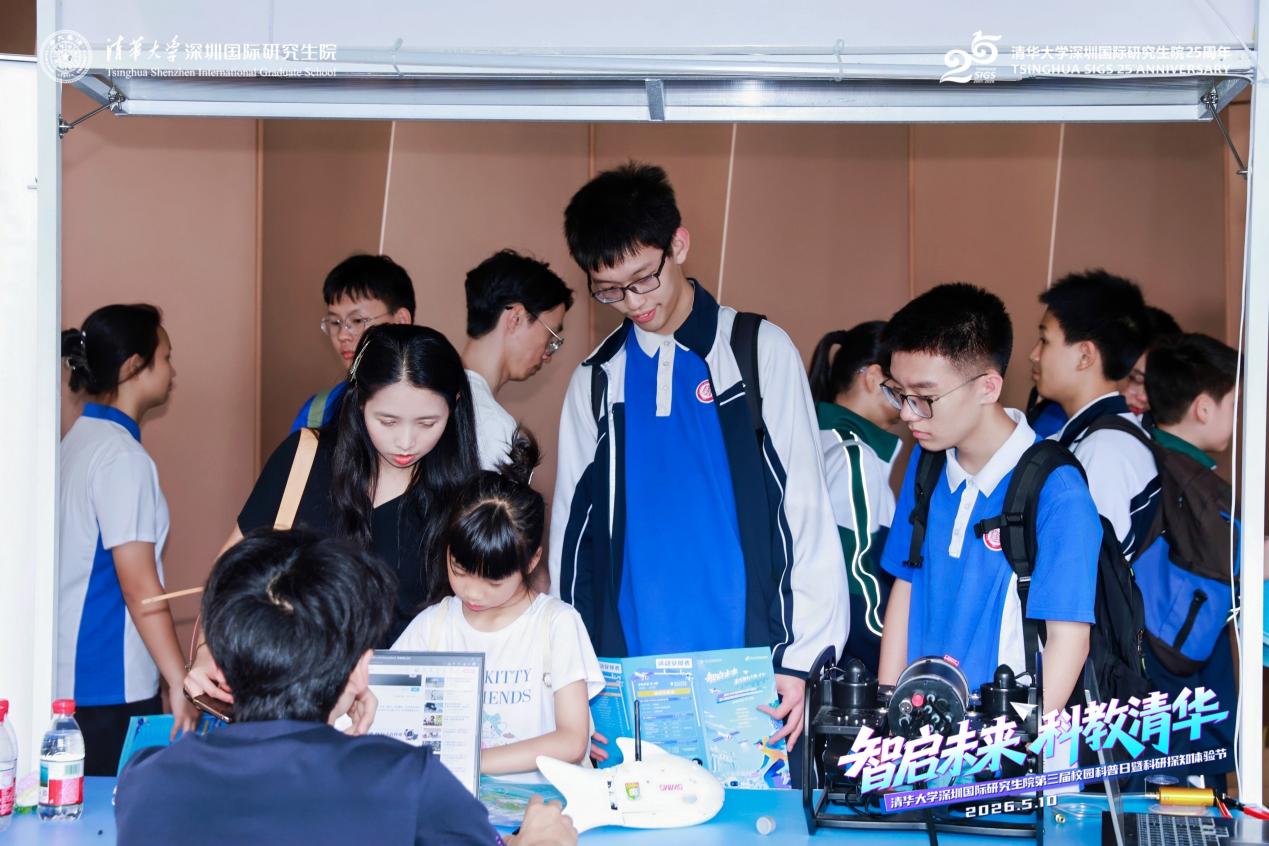
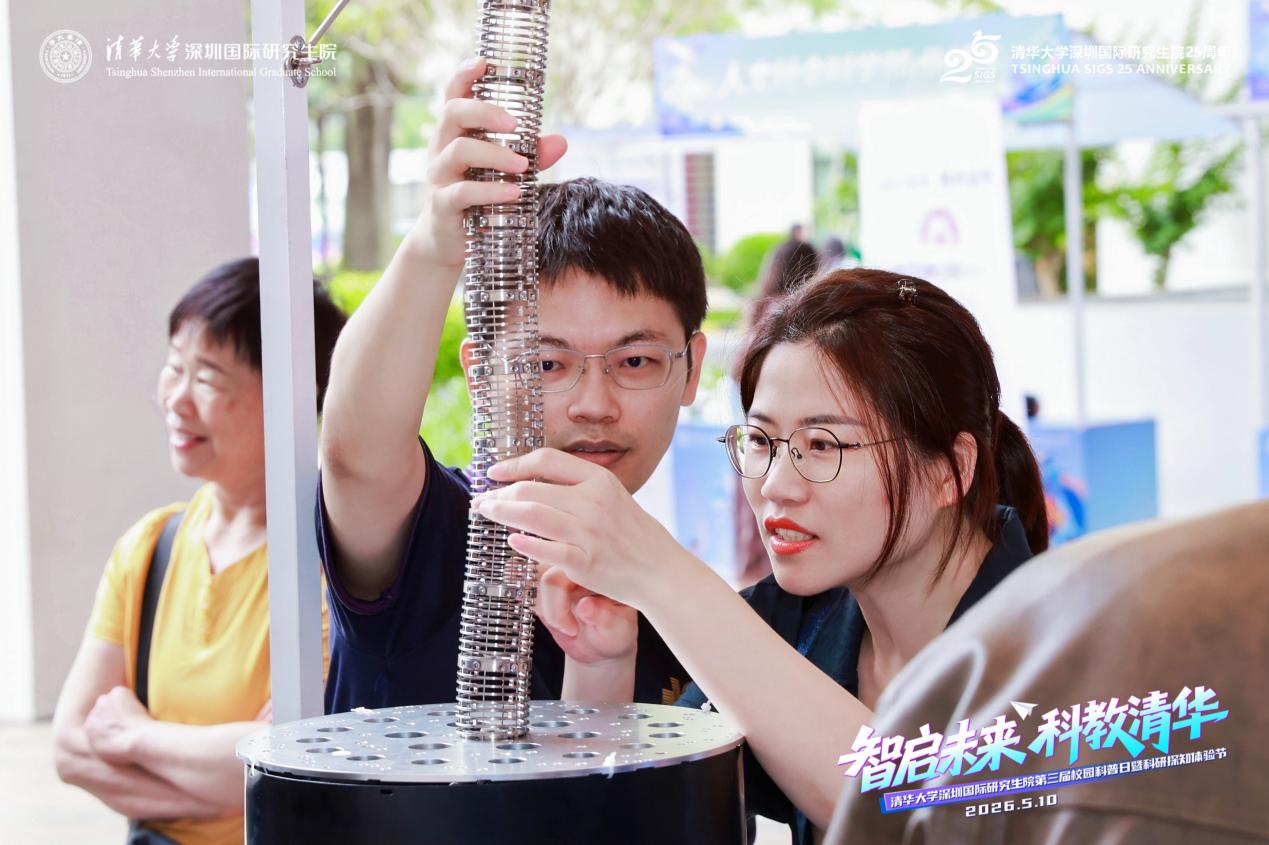
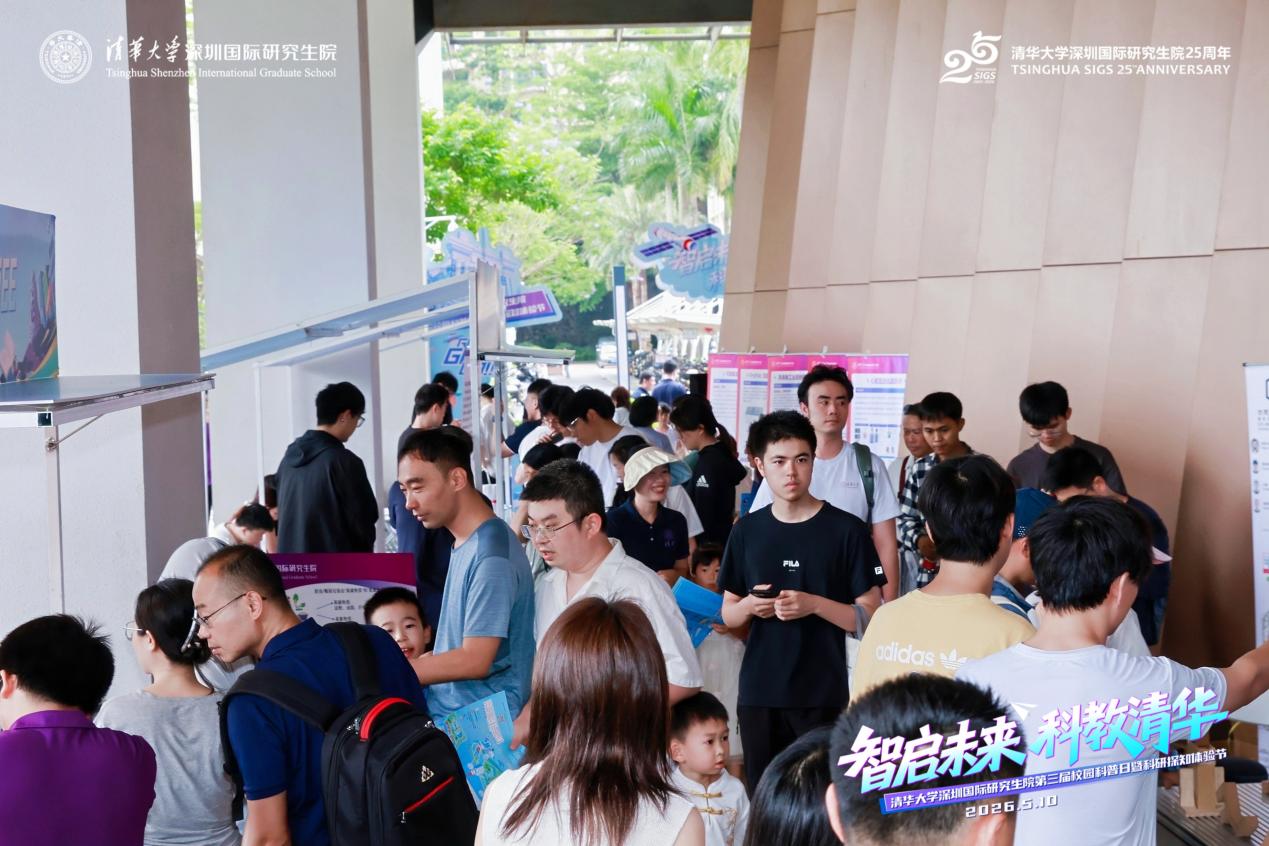
The research exploration festival featured frontier research achievements alongside immersive interactive experiences, showcasing innovations across interdisciplinary fields including artificial intelligence (AI), robotics, health, and advanced materials. Nearly 1,000 participants from both on and off campus attended the event, gaining a close-up look at scientific innovation and the future of emerging industries.
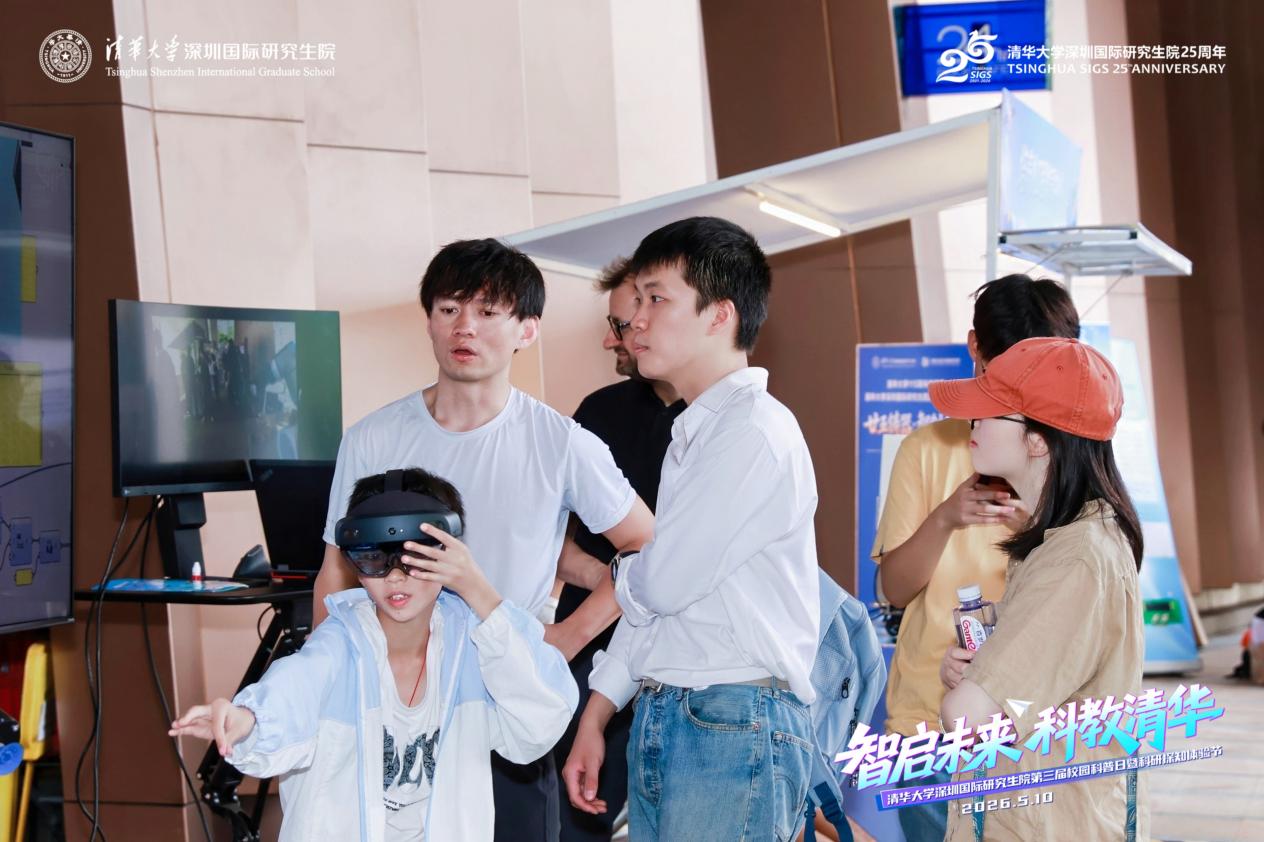
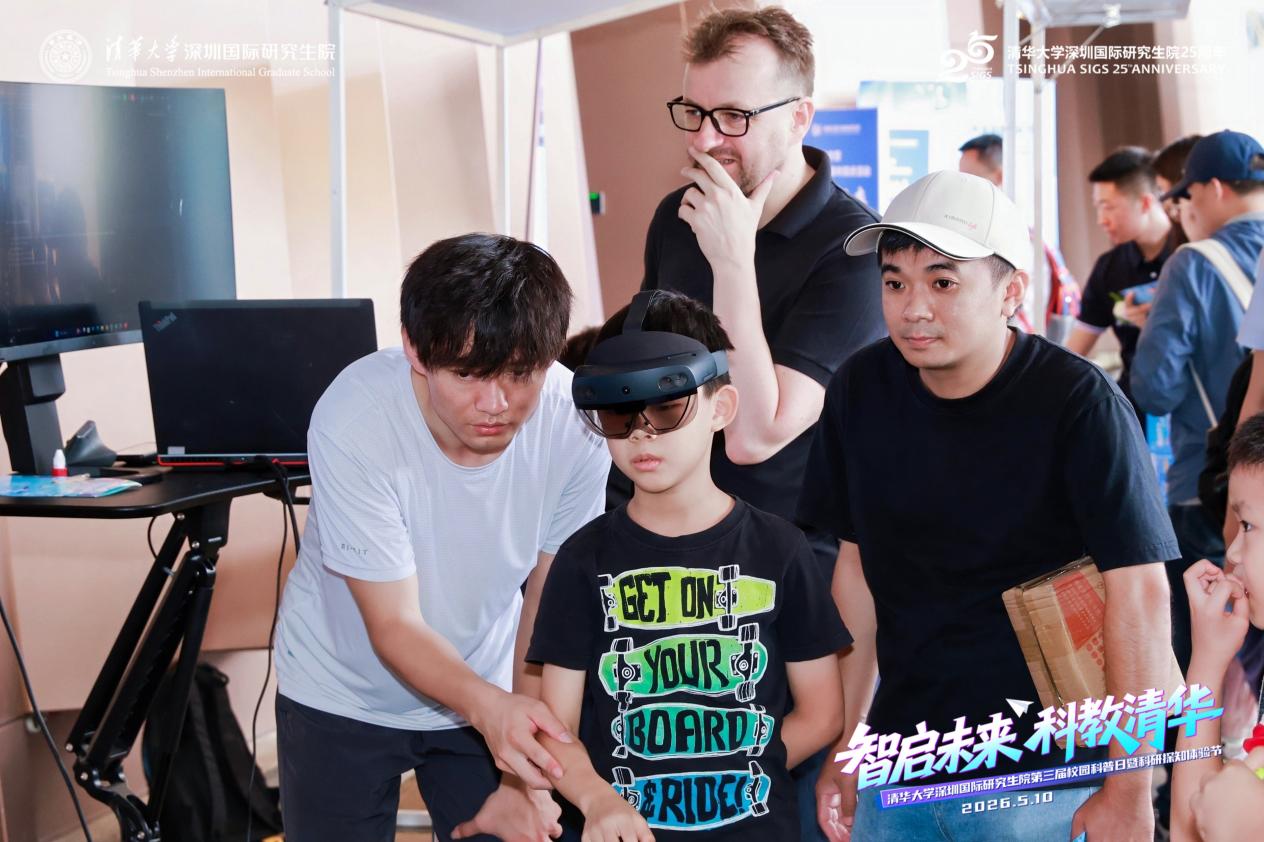
A student explores an interactive device during the festival
The festival not only provided a platform for sharing and exchanging research achievements with the wider community, but also helped bring technological innovation closer to society and foster collaboration among industry, academia, and research.
This year’s festival showcased more than 30 representative research projects from eight teaching and research institutes, covering areas such as AI, advanced materials, life and health, marine technology, ecological environment, and future cities.
The Institute of Data and Information presented research progress in AI, intelligent equipment, and robotic systems, focusing on large models, intelligent manufacturing, human-machine collaboration, and embodied intelligence.
The Institute of Biopharmaceutical and Health Engineering showcased the integration of engineering and biomedicine through projects in intelligent healthcare, biomanufacturing, and precision medicine.
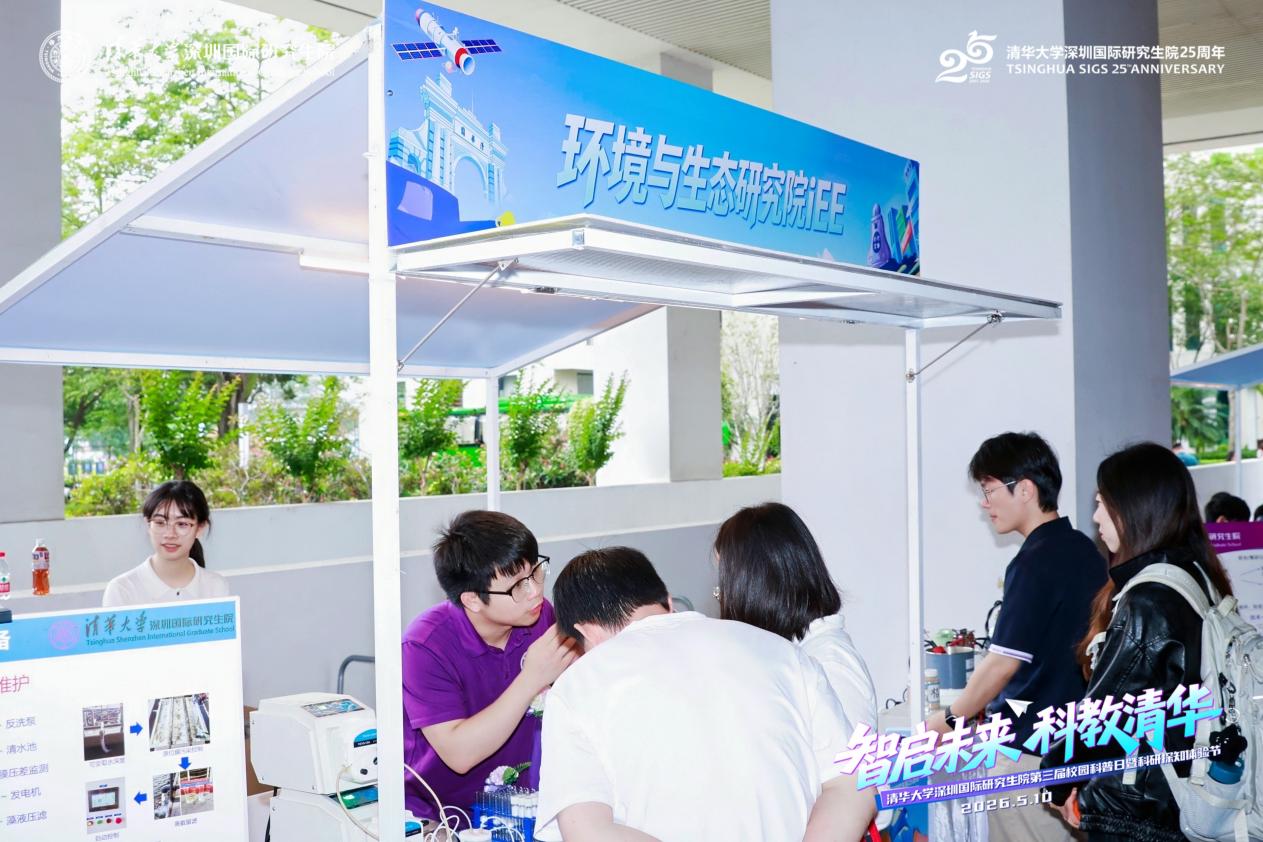
The booth of the Institute of Environment and Ecology at the festival
The Institute of Environment and Ecology highlighted research in green energy, resource recycling, and ecological governance, including biomass energy conversion, wastewater resource utilization, and early-warning systems for aquatic ecosystems.
The Institute of Materials Research presented frontier studies on advanced functional materials and intelligent electronics, featuring flexible electronics, electrocatalytic materials, and thermal management.
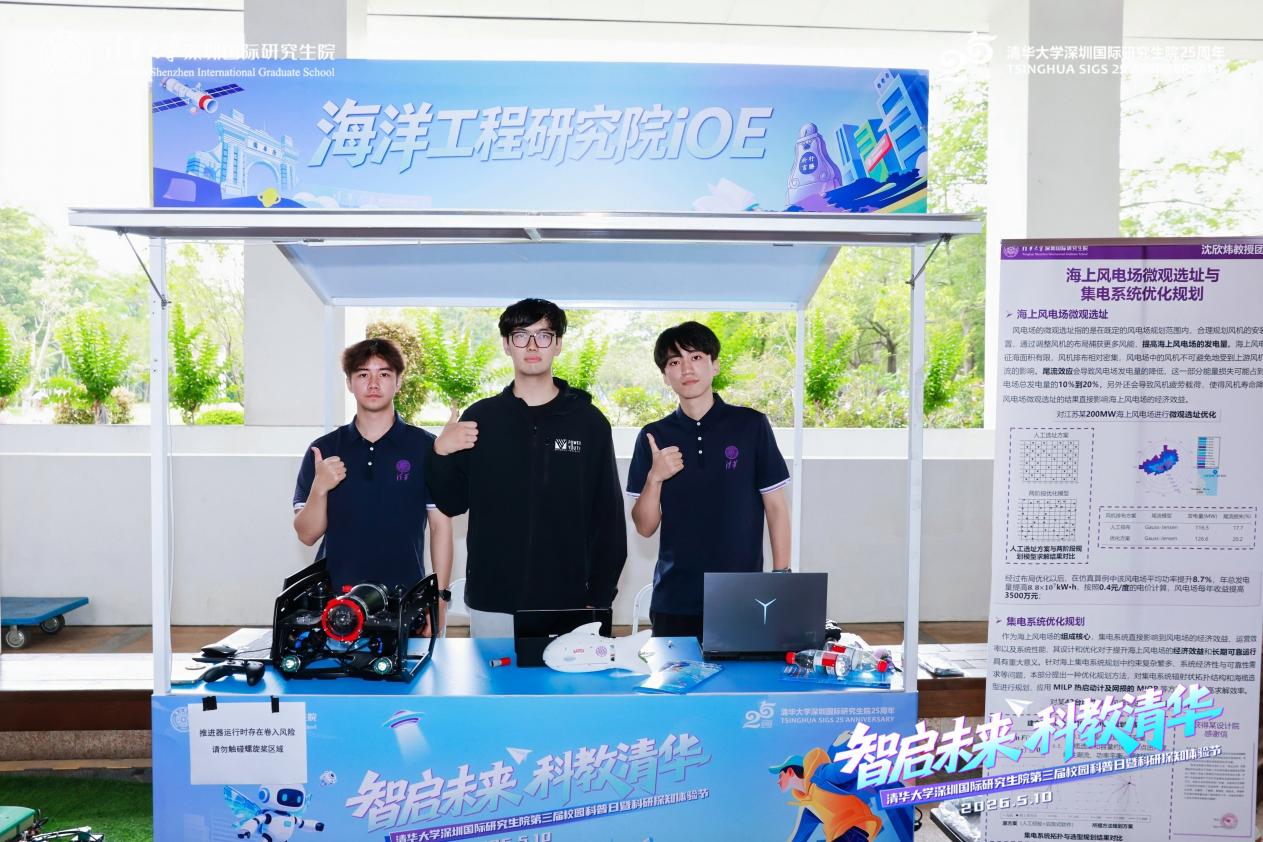
The Institute for Ocean Engineering displayed research on marine intelligent equipment and underwater robotic control, including bionic robots and underwater intelligent control systems.
The Institute of Innovation Management focused on “AI + education” and “AI + research,” exploring the integration of AI into classroom teaching, academic research, and talent development through intelligent teaching and academic support platforms.
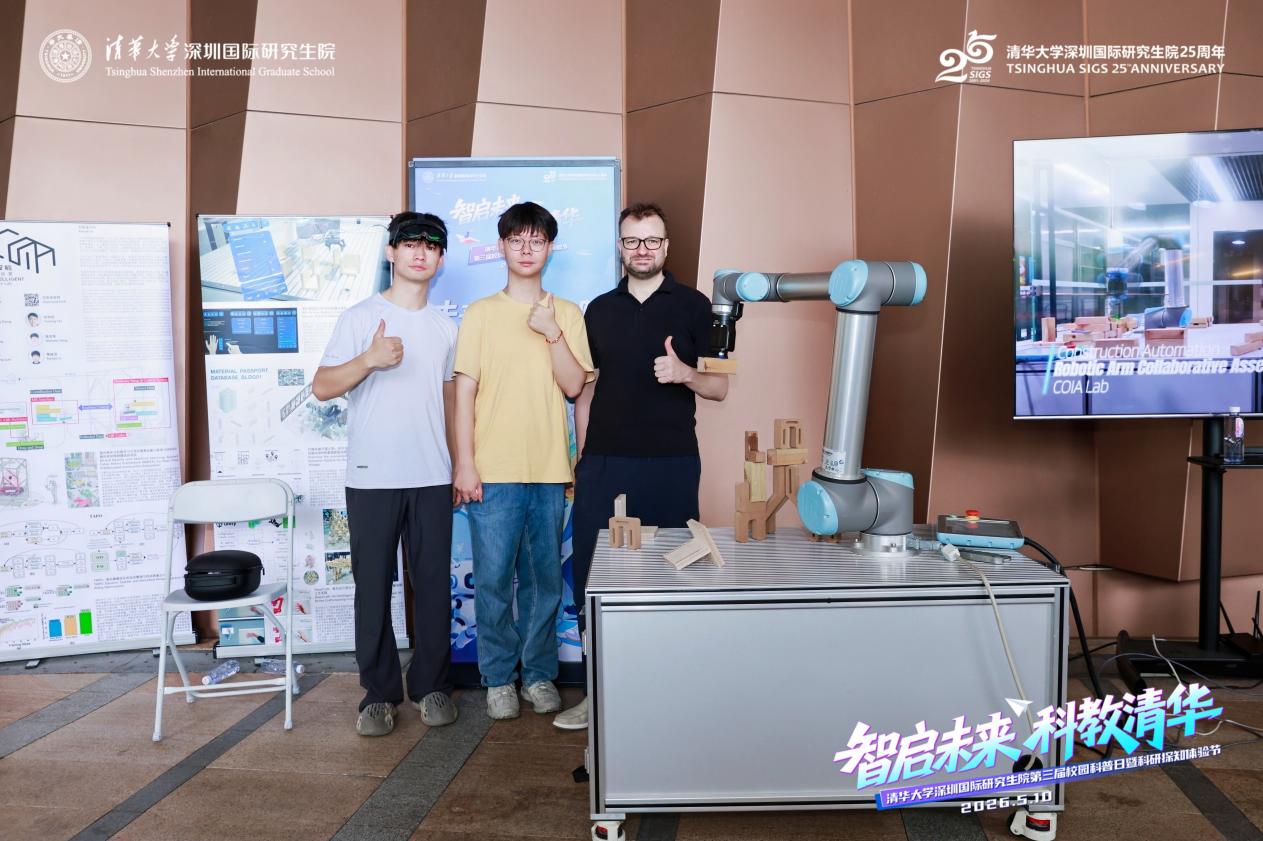
The Institute of Future Human Habitats presents applications of digital technologies
The Institute of Future Human Habitats presented applications of digital technologies in human-machine collaborative construction and future architectural scenarios.
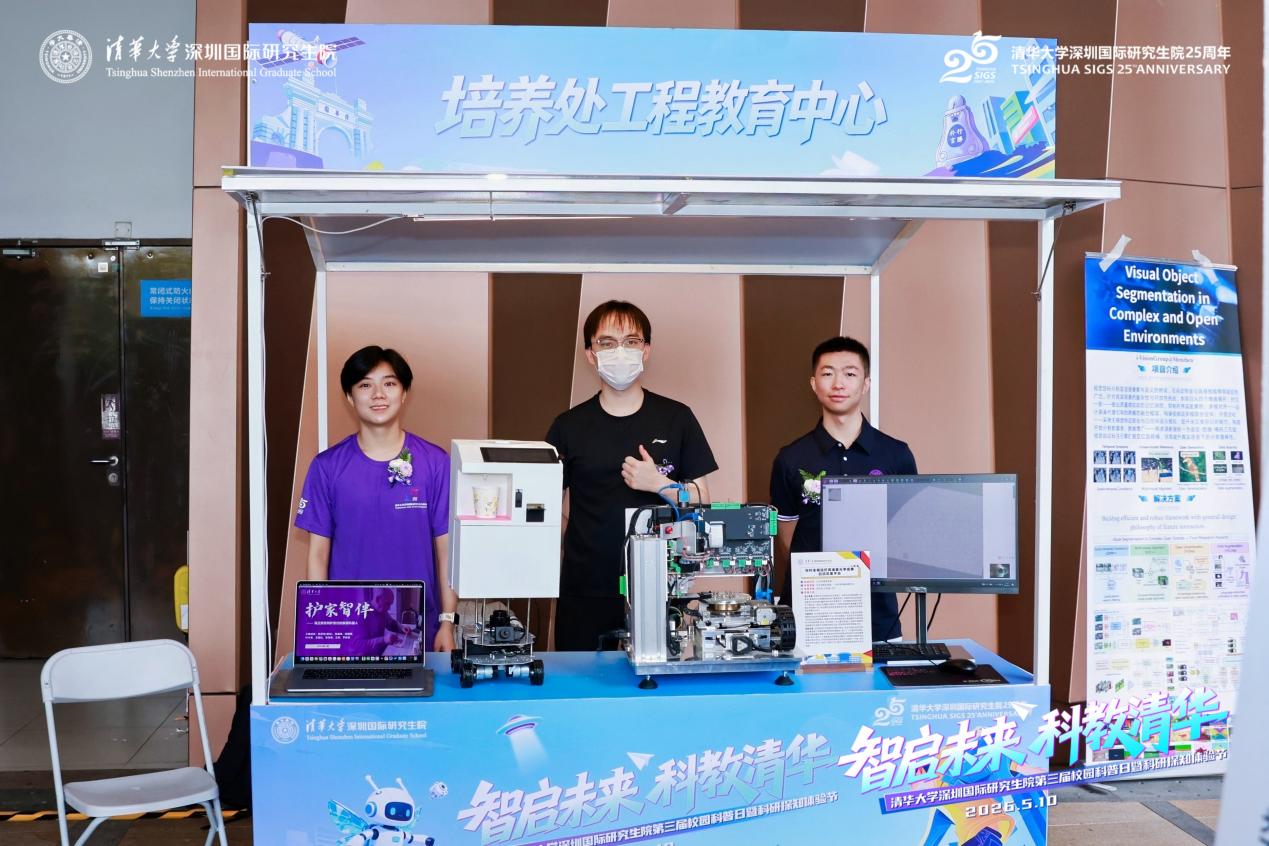
The Engineering Education Center under the Office of Academic Affairs showcased student practice projects, including a home-service robot and a high-throughput optical imaging platform for metallographic structures.
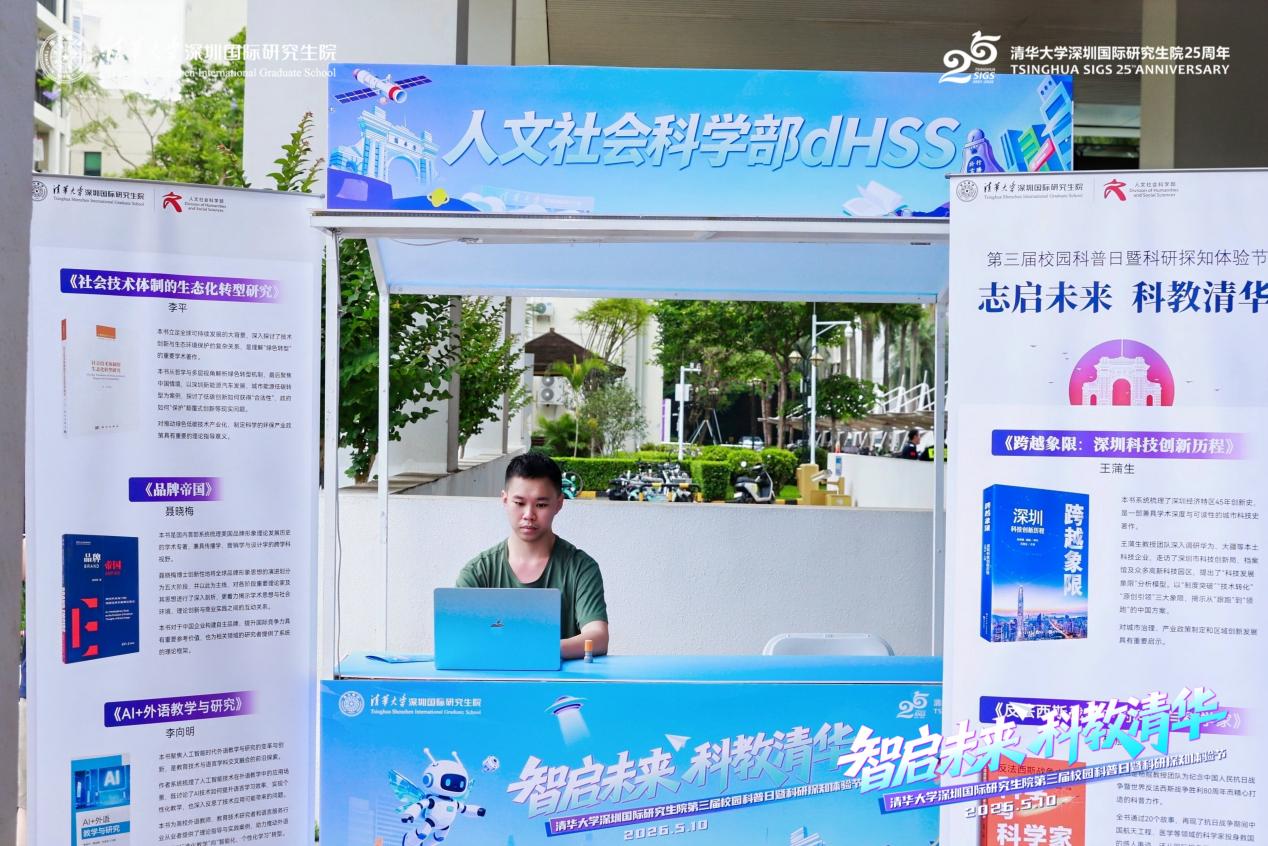
The Division of Humanities and Social Sciences presented research and initiatives related to social governance and mental health.
Tsinghua SIGS now organizes at least one public science popularization event each month and will continue to leverage the innovation momentum and high-tech industrial strengths of the Guangdong-Hong Kong-Macao Greater Bay Area to further advance high-level scientific research, technological innovation, and interdisciplinary integration.
More photos:
Source from the Office of Research, the Office of Academic Affairs
Edited by Peng Bin, Wang Jingli
Reviewed by Chen Jundou, Lin Zhoulu, and Nie Xiaomei
Layout by Peng Bin and Hu Jingwen