From October 19 to 21, six startup teams from the Technical University of Munich (TUM) gathered in Shenzhen to exchange ideas with young Chinese entrepreneurs and explore China’s market and commercialization pathways for deep tech.
During the three-day event, the German teams visited Tsinghua Shenzhen International Graduate School (Tsinghua SIGS), Shenzhen InnoX Academy, the Shenzhen Foundation Model AI Eco-Hub, and the Research Institute of Tsinghua University in Shenzhen. They also joined 10 startup teams from Tsinghua SIGS and Tsinghua x-lab for a joint pitch session and discussions.
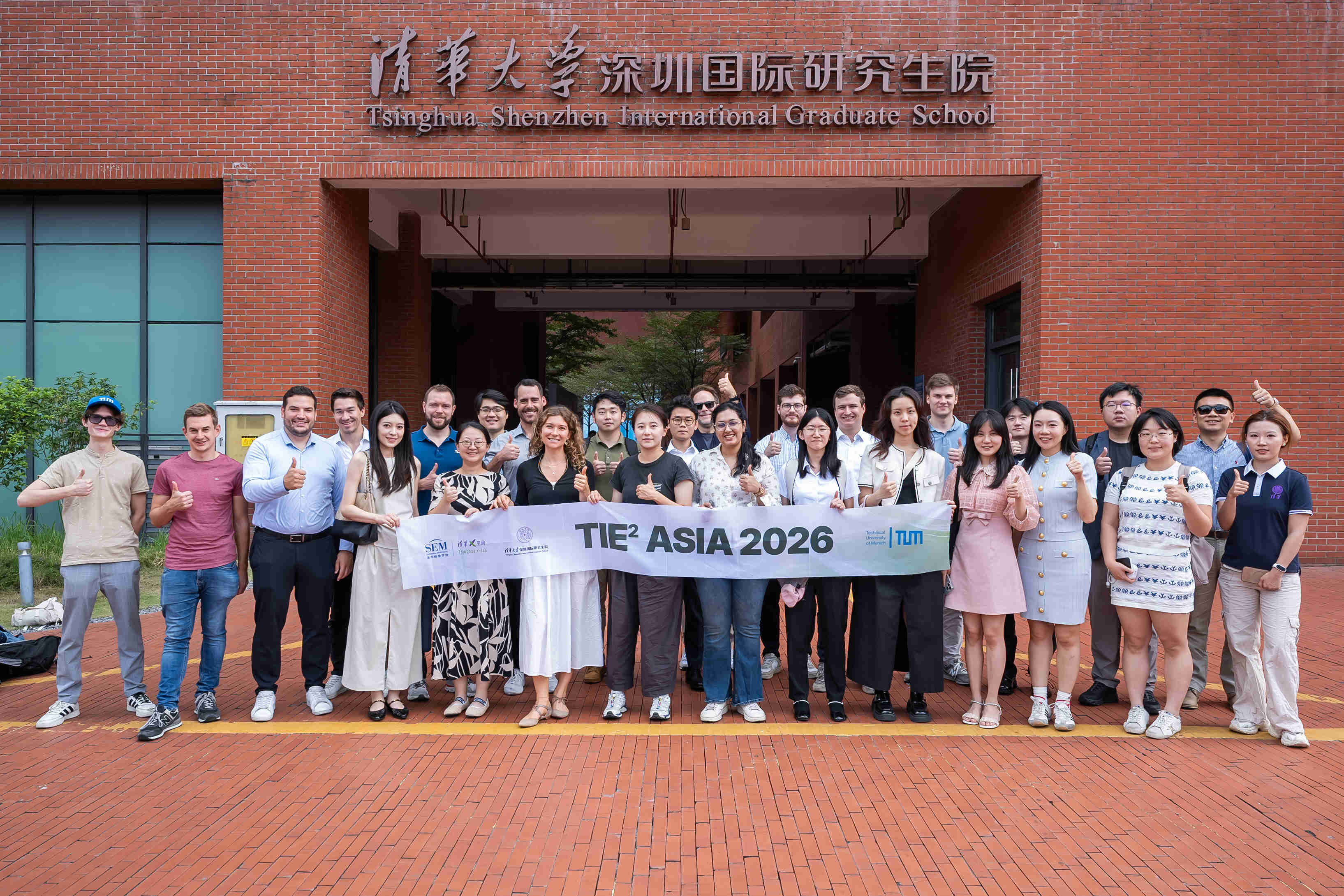
Event participants pose for a group photo at Tsinghua SIGS.
At the opening ceremony on October 19, representatives from Tsinghua SIGS and Tsinghua x-lab introduced SIGS and the x-lab platform’s initiatives and achievements in creativity, innovation, and entrepreneurship education, along with an overview of campus facilities and the event schedule.
A special sharing session on China’s business and innovation followed, featuring two keynote presentations.
Yang Zheyuan, Assistant Professor at the Institute of Innovation Management at Tsinghua SIGS, outlined the regulatory requirements for foreign-invested technology companies entering the Chinese market, mechanisms for intellectual property protection, and available market entry pathways.
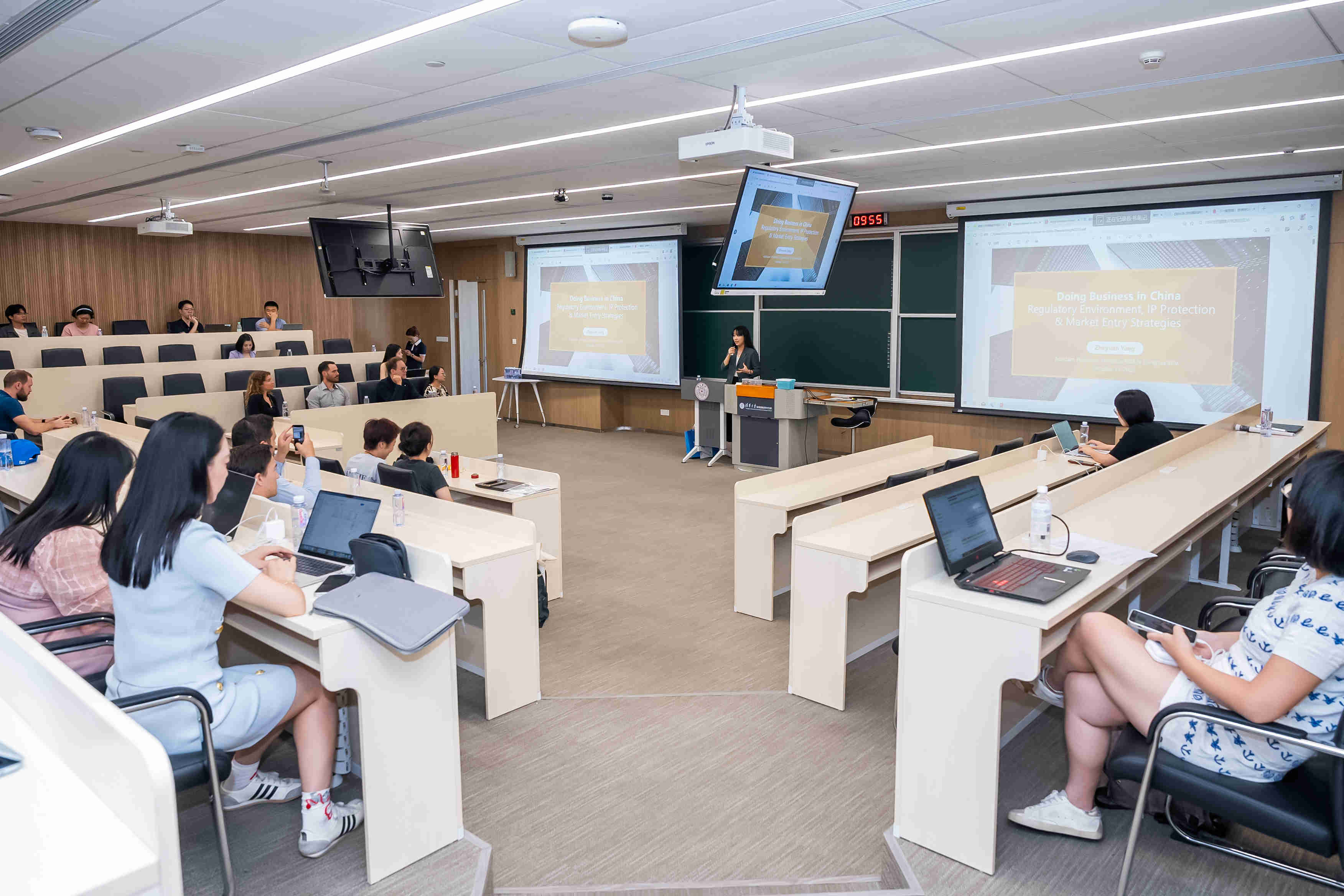
Yang Zheyuan, Assistant Professor at SIGS, delivers a speech.
Audria Xu, a graduate of both Tsinghua University and TUM and Chief Operating Officer of TSINGX Ventures, shared practical insights on team building, product development, and scaling of deep tech businesses in China, drawing on her cross-market entrepreneurial experience.
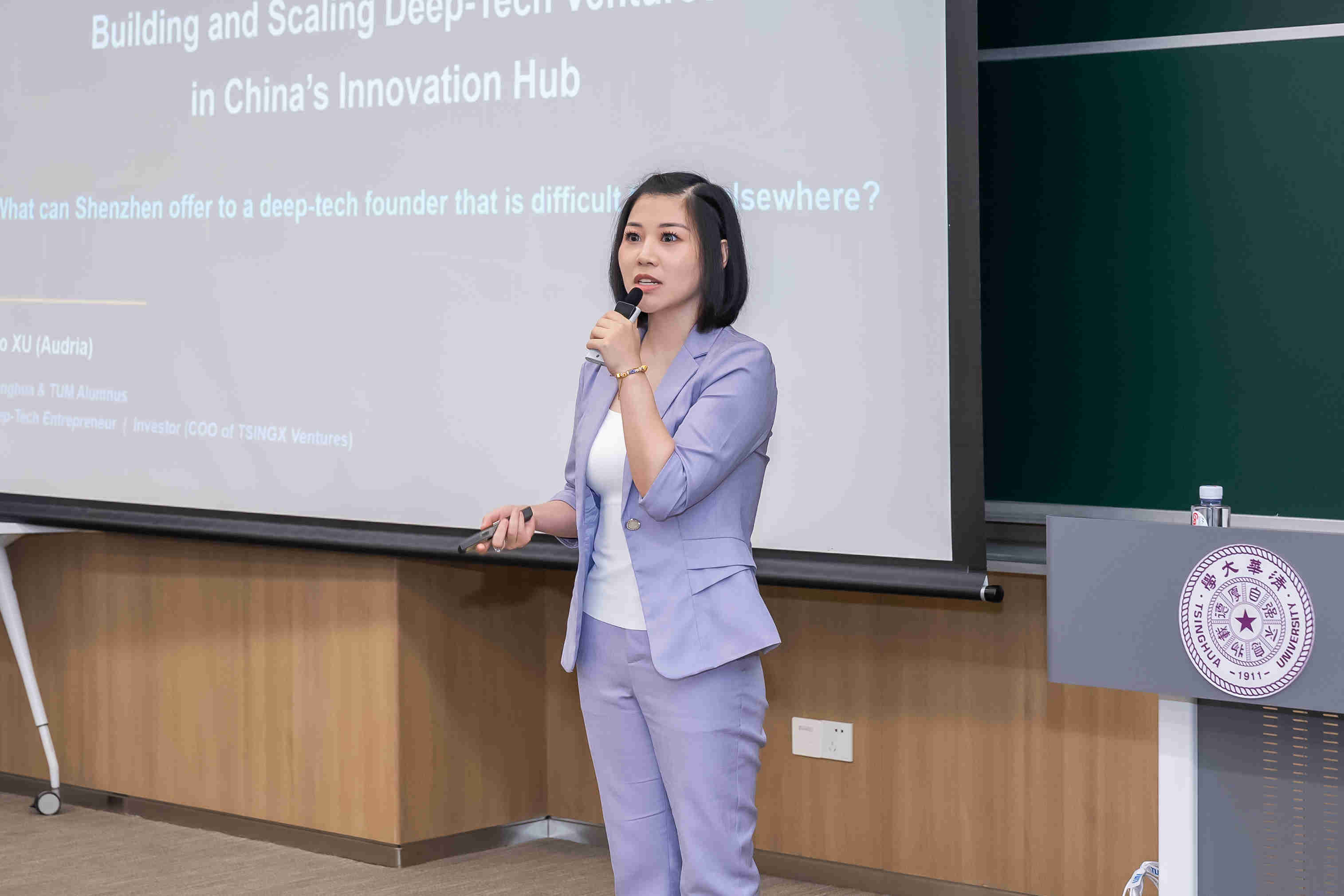
Audria Xu, Chief Operating Officer of TSINGX Ventures, shares her insights.
On the afternoon of Oct. 19, a startup pitch session was held at Tsinghua SIGS. The 16 participating teams included six from TUM, five from Tsinghua SIGS, and five from Tsinghua x-lab.
Each team delivered a one-minute pitch followed by a three-minute Q&A. The session attracted student entrepreneurs from Shenzhen universities, representatives of investment institutions, and operators of international incubators.
On the morning of October 20, the delegation visited Shenzhen InnoX Academy to learn about its approach to cultivating tech entrepreneurs and incubating startup projects. They then toured the Shenzhen Foundation Model AI Eco-Hub in Nanshan District, the first incubation hub in the Guangdong-Hong Kong-Macao Greater Bay Area dedicated to startups working with large AI models. The hub’s first phase covers nearly 20,000 square meters and hosts more than 40 AI teams.
On the morning of October 21, the delegation visited the Research Institute of Tsinghua University in Shenzhen, where they learned about its development history, innovation model, major technological achievements, technology commercialization efforts, and international collaboration platforms.
They also toured the institute’s analysis and testing center to explore its laboratory capabilities for research validation and technology development, and the Shenzhen Foundation Model AI Eco-Hub to learn about young AI entrepreneurs, emerging projects, and available incubation resources.
The visit concluded with discussions between the delegation and institute representatives on mechanisms for transferring research outcomes into practical applications, commercialization pathways, and potential project collaborations.
Visit photos:
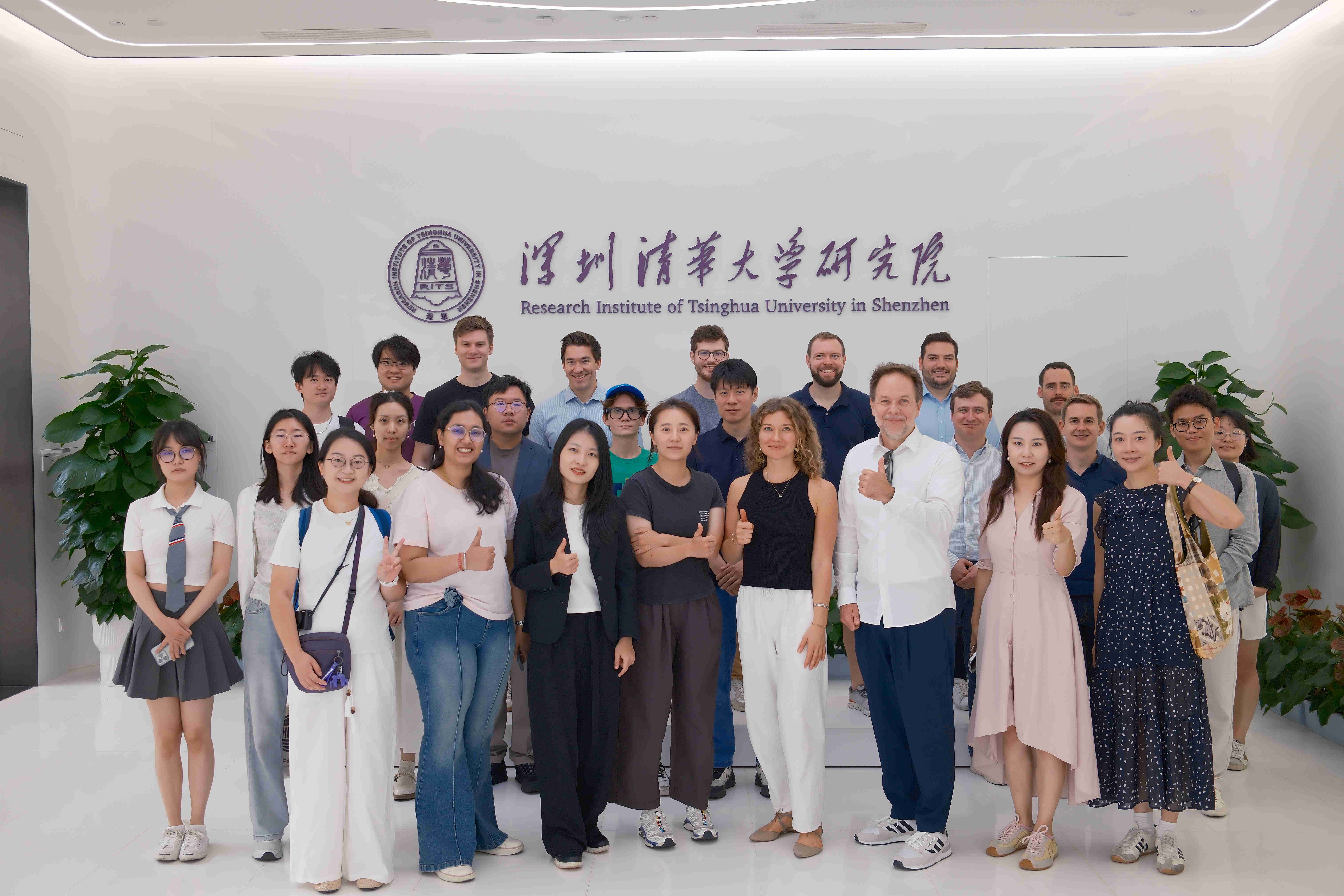
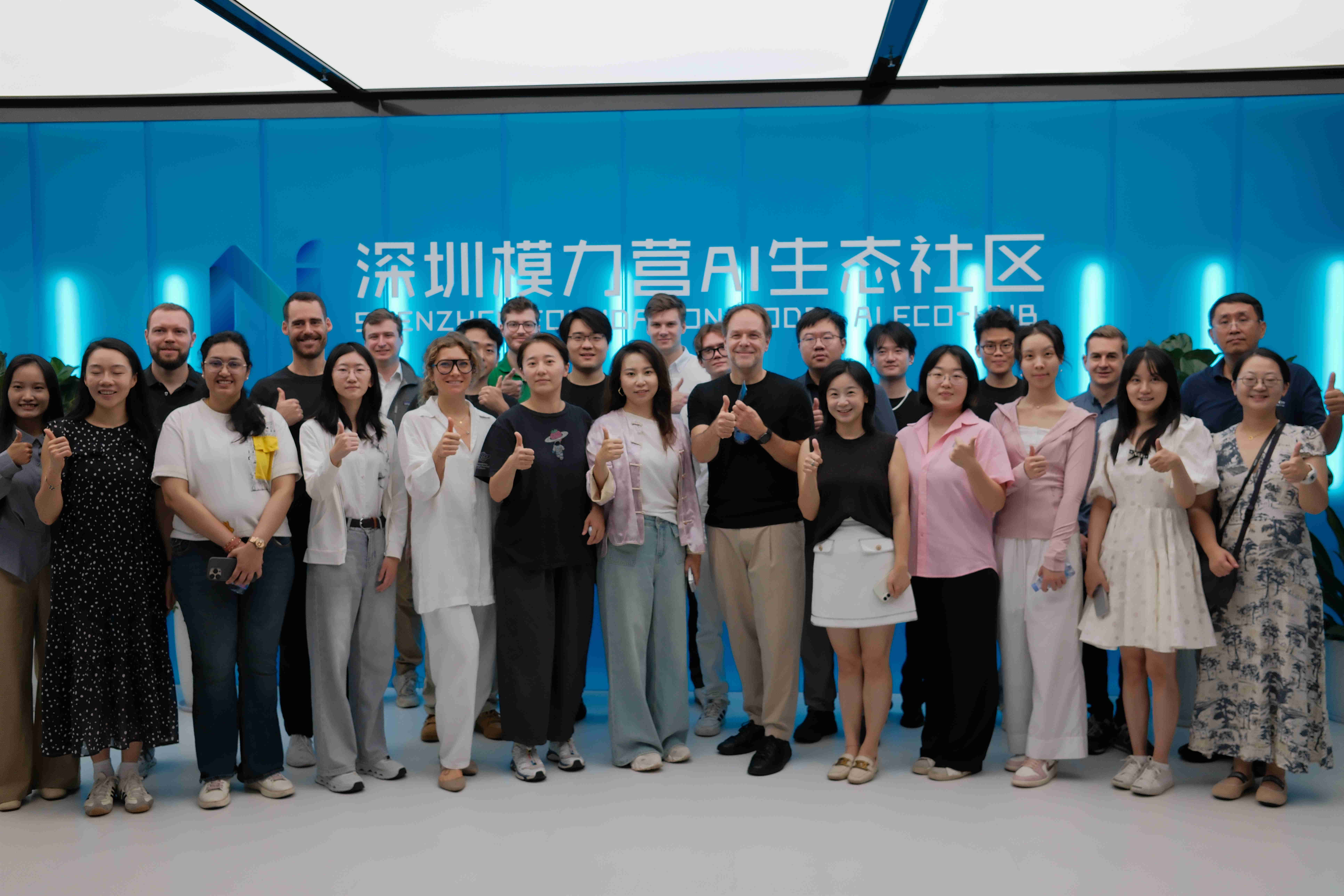
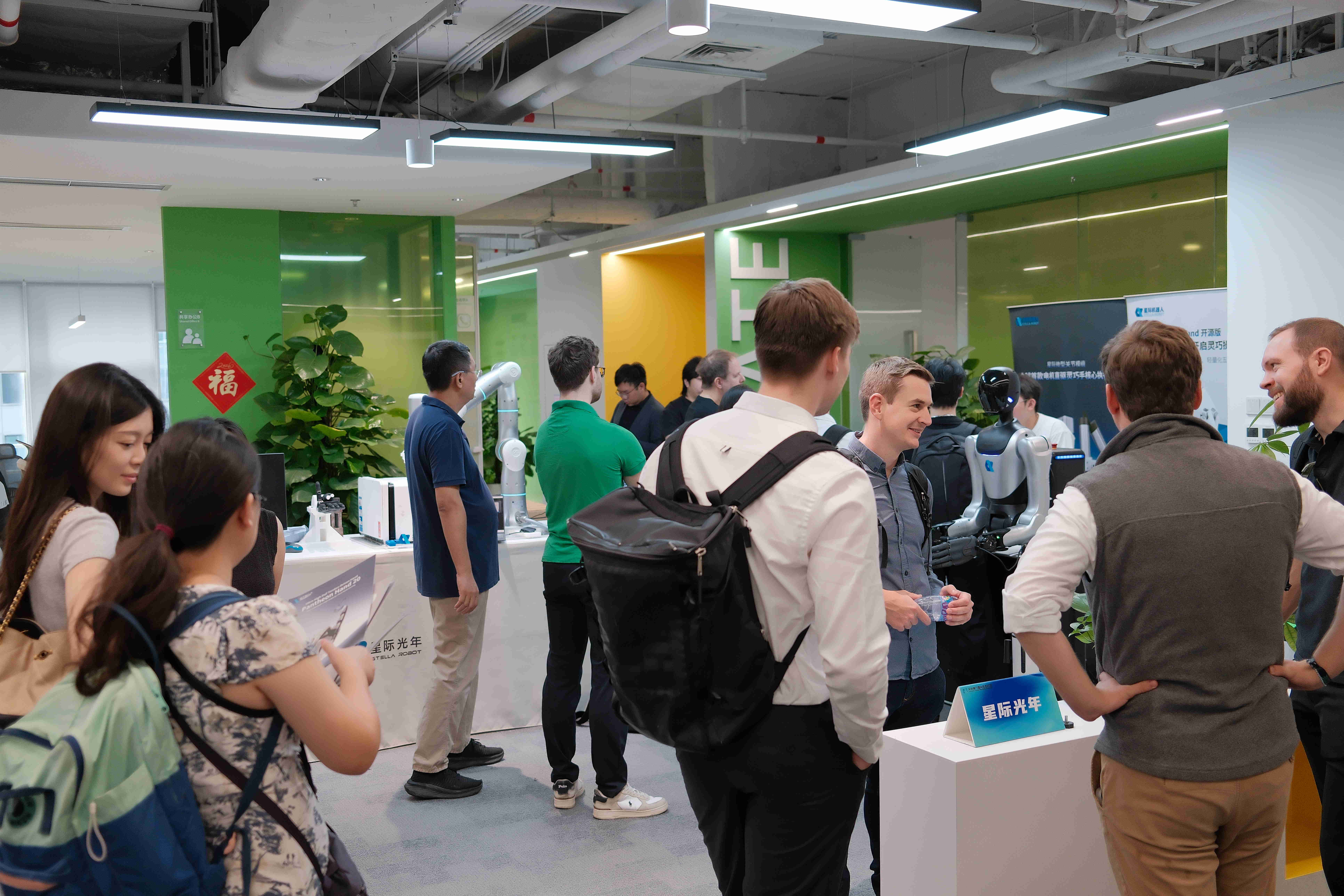
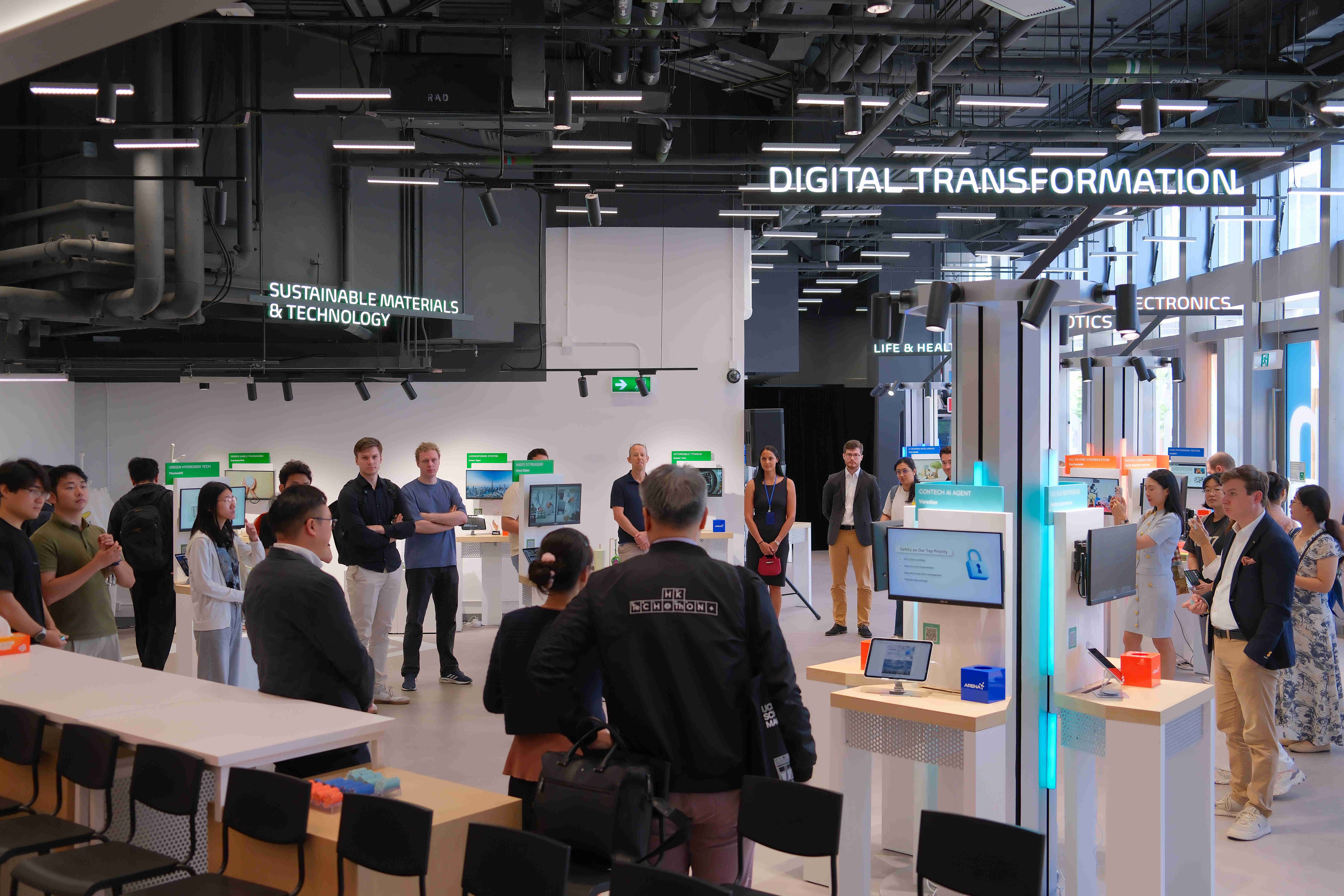
The three-day event gave teams from both countries opportunities to test their projects in real-world market environments and establish valuable connections.
Looking ahead, Tsinghua x-lab will continue to draw on the industrial ecosystem and international resources of Tsinghua SIGS and Shenzhen to strengthen exchange platforms for young Chinese and German entrepreneurs and facilitate more practical collaboration among startup teams.
________________________________________________________________
Source from the Institute of Innovation Management
Edited by Peng Bin, Wang Jingli
Reviewed by Chen Jundou, Lin Zhoulu and Nie Xiaomei
Layout by Yuan Yiling