编者按:
我感到这份奖项并非是授予我这个人,而是授予我的工作——一段投身于人类精神的苦痛与汗水中的生命历程。它不为荣耀,更不为利益,而是为了从人类精神的素材中创造出一些前所未有的东西。
——威廉·福克纳,诺贝尔晚宴演讲(1950),编者自译
伟大创作往往并非一开始就立下“我要书写人类”这样的宏愿,而是始于一次深刻的内心冲突,一段无法言说的记忆,一种挥之不去的情感。作家只是在诚实地、耐心地挖掘这些“人类精神的素材”。伟大的文学,并非始于一个宏大的目标,而是始于一次次真诚的、创造性的劳作。
本周领读:张成萍
一、亨利·柏格森
日益增长的经验表明,一个社会的技术进步并不会自动导致其成员的道德完善…… 我们制造的机器……拓展了人类天生官能的作用领域,从而使人类的“身躯”日益壮大。但若要这具“身躯”保持完整、其行为合乎规范,那么我们的灵魂亦须相应地提升。
——亨利·柏格森,诺贝尔晚宴演讲(1928),原文载于诺贝尔奖官方网站
英文译文:
Increasing experience has proved…that the technological development of a society does not automatically result in the moral perfection of the men living in it… The machines we build…extend [our natural organs’] scope, and thus enlarge the body of humanity. If that body is to be kept entire and its movements regulated, the soul must expand in turn.
— Henri Bergson, Nobel Banquet Speech (1928). (Source: Nobel Prize official website)
二、赛珍珠
当我目睹中国以空前的团结联合起来,抗击威胁其自由的敌人时,我对她的敬佩比以往更深了。她那争取自由的决心,从深层意义上来说,可说是深植于她天性之中的根本品质。我深知,有此决心的她,将不可征服。而在今日,自由,无疑正是人类最珍贵的财富。
——赛珍珠,诺贝尔晚宴演讲(1938),编者自译
英文译文:
I have never admired China more than I do now, when I see her uniting as she has never before, against the enemy who threatens her freedom. With this determination for freedom, which is in so profound a sense the essential quality in her nature, I know that she is unconquerable. Freedom – it is today more than ever the most precious human possession.
— Pearl S. Buck, Nobel Banquet Speech (1938). (Source: Nobel Prize official website)
三、T. S. 艾略特
欣赏另一种语言的诗歌,我们同时便理解了那种语言所属的民族的心灵,并乐在其中——这种理解,别无他法可以获得。……若无由异国语言的诗歌提供的养分,各国的诗歌都终将枯萎、凋零。
——T. S. 艾略特,诺贝尔晚宴演讲(1948),编者自译
英文译文:
To enjoy poetry belonging to another language, is to enjoy an understanding of the people to whom that language belongs, an understanding we can get in no other way. …the poetry of every country would decline, were it not nourished by poetry in foreign tongues.
— T. S. Eliot, Nobel Banquet Speech (1948). (Source: Nobel Prize official website)
四、威廉·福克纳
我感到这份奖项并非是授予我这个人,而是授予我的工作——一段投身于人类精神的苦痛与汗水中的生命历程。它不为荣耀,更不为利益,而是为了从人类精神的素材中创造出一些前所未有的东西。
——威廉·福克纳,诺贝尔晚宴演讲(1950),编者自译
英文译文:
I feel that this award was not made to me as a man, but to my work — a life’s work in the agony and sweat of the human spirit, not for glory and least of all for profit, but to create out of the materials of the human spirit something which did not exist before.
— William Faulkner,Nobel Banquet Speech(1950). (Source: Nobel Prize official website)
五、厄内斯特·海明威
写作,哪怕从最好的角度来说,也依然是一种孤独的生活。……因为作家必须独自工作;假如他足够优秀,那么他每天都必须直面永恒——或者永恒的缺席。
——厄内斯特·海明威,诺贝尔晚宴演讲(1954),编者自译
英文译文:
Writing, at its best, is a lonely life. … For he [a writer] does his work alone and if he is a good enough writer he must face eternity, or the lack of it, each day.
— Earnest Hemingway, Nobel Banquet Speech(1954). (Source: Nobel Prize official website)
六、阿尔贝·加缪
对我而言,写作是我生命中不可或缺的一部分,但我从未将它凌驾于一切之上。……它不过是一种手段,通过呈现一幅共通的喜悦与痛苦的图景,从而令最多数的人有所触动。它迫使艺术家无法将自己隔离于人群之外;它令他直面最朴素、也最普遍的真理。
——阿尔贝·加缪,诺贝尔晚宴演讲(1954),编者自译
英文译文:
For myself, I cannot live without my art. But I have never placed it above everything. …It is a means of stirring the greatest number of people by offering them a privileged picture of common joys and sufferings. It obliges the artist not to keep himself apart; it subjects him to the most humble and the most universal truth.
— Albert Camus, Nobel Banquet Speech (1957). (Source: Nobel Prize official website)
七、米哈伊尔·肖洛霍夫
获得此奖项可以说是对小说这一文体的又一次间接肯定,我之前曾对此表达过欣慰之情。……可以说,小说最能促使人们深入洞察周遭那壮阔的生活,而不会将渺小的自我视为宇宙的中心。正因为这种文体的特性,小说为现实主义艺术家们提供了极为广阔的创作天地。
——米哈伊尔·肖洛霍夫,诺贝尔晚宴演讲(1965),编者自译
英文译文:
I have also previously expressed my satisfaction that, indirectly, this Prize is yet another recognition of the novel as a genre. ...One might say that the novel is the genre that most predisposes one to a profound insight into the tremendous life around us, instead of putting forward one’s own tiny ego as the centre of the universe. This genre, by its very nature, affords the very widest scope for a realistic artist.
— Mikhail Sholokhov, Nobel Banquet Speech (1965). (Source: Nobel Prize official website)
八、帕布罗·聂鲁达
我回到了童年的街道,回到了南美的寒冬,回到了阿劳卡尼亚的丁香花园,回到了我第一次拥抱的那个女孩身边。回到了那些没有铺路、满是泥泞的街道,回到了那场征服遗留下来的、身着丧服的印第安人身旁,回到了那个在黑暗中摸索光明的国度与大陆。如果从这座庆典大厅所发出的光芒能跨越大陆与海洋照亮我的过去,那么它也定能照亮我们整个美洲人民的未来——他们正捍卫着自己的尊严、自由与生命。
——帕布罗·聂鲁达,诺贝尔晚宴演讲(1971),编者自译
英文译文:
I return to the streets of my childhood, to the winters of South America, to the lilac gardens of Araucania, to the first girl I held in my arms, to the mud on the streets which knew no paving, to the Indians mourning-clad left to us by the Conquest, to a country, a dark continent seeking for the light. And if the beams from this festive hall cross land and sea to light up my past, they also light up the future of our American peoples, who are defending their right to dignity, to freedom and to life.
— Pablo Neruda, Nobel Banquet Speech (1971). (Source: Nobel Prize official website)
九、威廉·戈尔丁
这或许是我获得全球瞩目的最后一分钟了;那么就让我用这一分钟,不是以某个国家的公民,而是以整个人类的一员的身份来发言吧。我想借此呼吁所有掌握权力的男男女女:回头吧,现在就后退一步。你们之间的协议,并不需要机巧、周密的谋划或策略;它所需要的只是常识,而最重要的,是一种敢于慷慨的勇气。给予,给予,再给予!
——威廉·戈尔丁,诺贝尔晚宴演讲(1983),编者自译
英文译文:
Then let me use what I suppose is my last minute of worldwide attention to speak not as one of a nation but as one of mankind. I use it to reach all men and women of power. Go back. Step back now. Agreement between you does not need cleverness, elaboration, manoeuvres. It needs common sense, and above all, a daring generosity. Give, give, give!
— William Golding, Nobel Banquet Speech (1983). (Source: Nobel Prize official website)
十、莫言
我深知,文学对世界上的政治纷争、经济危机影响甚微,但文学对人的影响却是源远流长。有文学时也许我们认识不到它的重要,但如果没有文学,人的生活便会粗鄙野蛮。因此,我为自己的职业感到光荣,也感到沉重。
——莫言,诺贝尔晚宴演讲(2012)
英文译文:
I am also well aware that literature only has a minimal influence on political disputes or economic crises in the world, but its significance to human beings is ancient. When literature exists, perhaps we do not notice how important it is, but when it does not exist, our lives become coarsened and brutal. For this reason, I am proud of my profession, but also aware of its importance.
— Mo Yan, Nobel Banquet Speech (2012). (Source: Nobel Prize official website)
【栏目寄语】
“人文日新”,源自清华百年精神内核,意指人文精神的传承与革新。
“人文日新”栏目,愿以每日晨读为微光,与您共燃思想星火。
“人文日新”不止于晨读,更是对永恒命题的求索。
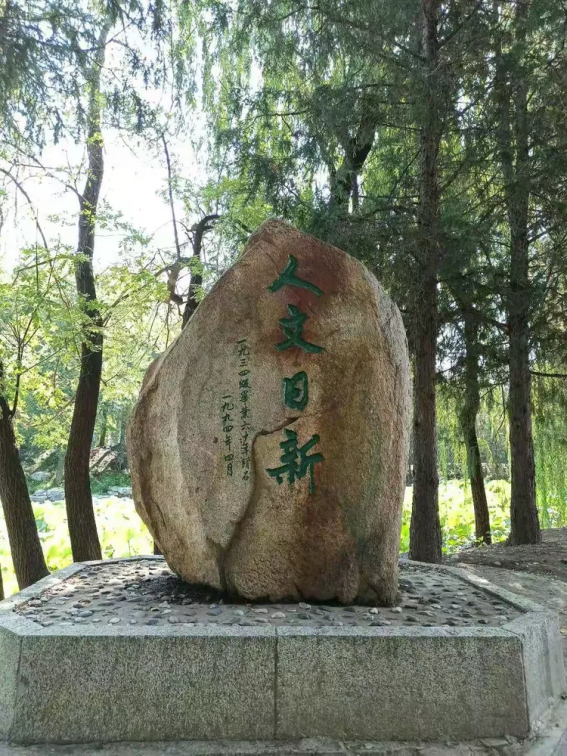
“人文日新”碑,由清华1934级校友于毕业60周年之际(1994年)敬赠母校,并于校庆83周年纪念日隆重落成。碑上镌刻的“人文日新”四字,正是清华校园文化与精神的核心象征。
1934级堪称清华校史上群星璀璨的一届。这方纪念碑的捐赠者们,有许多如雷贯耳的名字:季羡林、夏鼐、吴晗、翁文波、张宗燧、孙德和、时钧、高振衡、徐芝纶、张青莲、陈省身、张光斗、赵九章、钱学森、顾功叙、张煦……他们以人文之思、科学之光、工程之智,共同诠释了“日新”的真谛——在传承中突破,在坚守中新生。
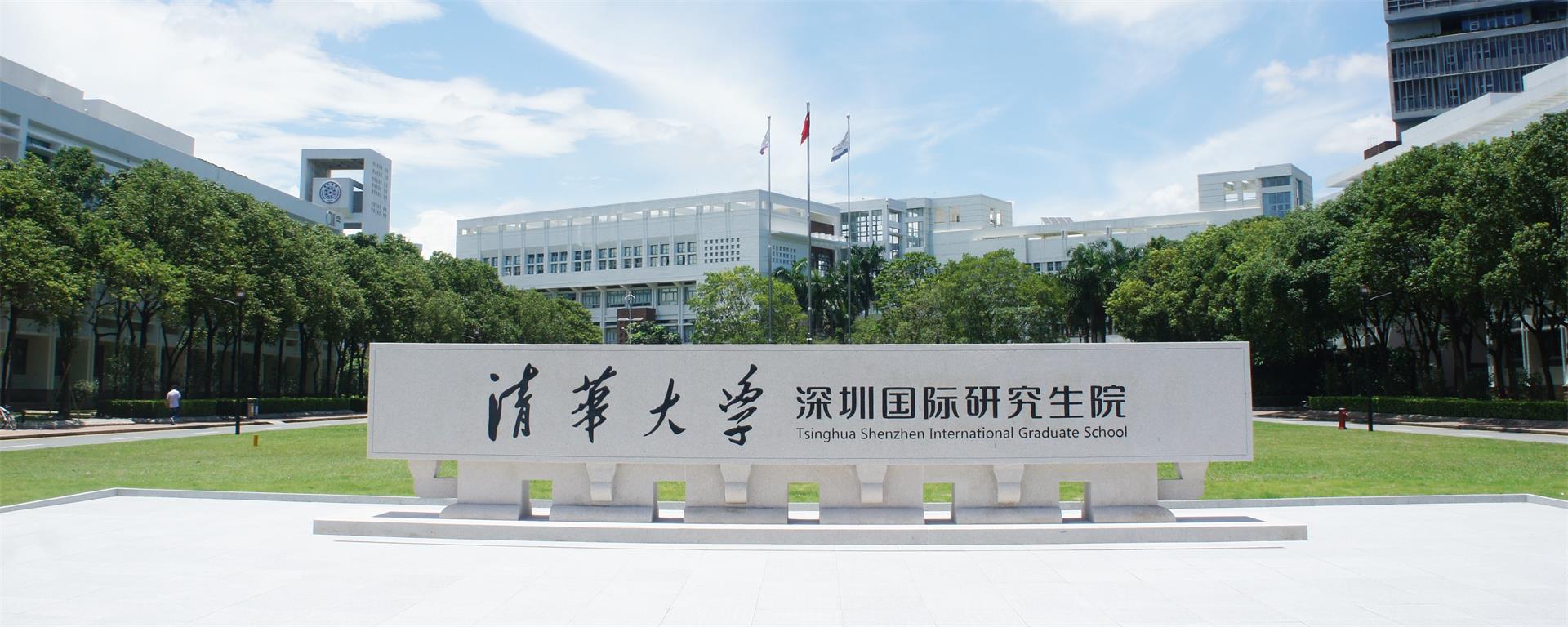
“人文日新”栏目由清华大学深圳国际研究生院人文社会科学部主办,自2025年9月启动,以每日经典晨读,启迪智慧,滋养心灵。更多精彩内容将每日通过“SIGS艺术与人文”微信公众号发布,欢迎广大读者踊跃投稿。
供稿:人文社会科学部
统筹:张成萍、陈芷洹
责编:吴鸿瑶