编者按:
人间务生事,耕种满田畴。
——〔唐〕元稹,《咏廿四气诗·惊蛰二月节》
二十四节气,是古人仰观天象、俯察地脉,在漫长岁月里总结出的自然规律。从惊蛰的一声春雷,到田畴之上的满目耕种——节气落在地上,便成了生计;规律用于人间,便成了生活。知识的意义和最终的归宿,也当为人间务生事。惊蛰已至,万物争发。我们在实验室里推演的每一个数据、电脑前敲下的每一个代码、工坊里画出的每一笔图案——有一天或许也会像节气一样,落在人间,滋养理想、改善民生。
本周领读:张成萍
一、《元日》
元日
〔宋〕王安石
爆竹声中一岁除,
春风送暖入屠苏。
千门万户曈曈日,
总把新桃换旧符。
英文译文:
New Year’s Day
With crackers’ cracking noise the old year passed away;
The vernal breeze brings us warm wine and warm spring day.
The rising sun sheds light on doors of each household,
New peachwood charm is put up to replace the old.
—translated by Xu Yuanchong (许渊冲译)
二、《青玉案·元夕》
青玉案·元夕
〔宋〕辛弃疾
东风夜放花千树。更吹落、星如雨。
宝马雕车香满路。凤箫声动,玉壶光转,一夜鱼龙舞。
蛾儿雪柳黄金缕。笑语盈盈暗香去。
众里寻他千百度,蓦然回首,那人却在,灯火阑珊处。
英文译文:
The Lantern Festival
One night's east wind adorns a thousand trees with flowers
And blows down stars in showers.
Fine steeds and carved cabs spread fragrance en route;
Music vibrates from the flute;
The moon sheds its full light,
While fish and dragon lanterns dance all night.
In gold-thread dress, with moth or willow ornaments,
Giggling, she melts into the throng with trails of scents.
But in the crowd once and again
I look for her in vain.
When all at once I turn my head,
I find her there where lantern light is dimly shed.
—translated by Xu Yuanchong (许渊冲译)
三、《生查子·元夕》
生查子·元夕
〔宋〕欧阳修
去年元夜时,花市灯如昼。
月上柳梢头,人约黄昏后。
今年元夜时,月与灯依旧。
不见去年人,泪湿春衫袖。
英文译文:
The Lantern Festival
Last Festival of Vernal Moon,
The blooming lanterns bright as noon.
The moon above a willow tree
Shone on my lover close to me.
This Festival comes now again,
The moon and lanterns bright as then.
But where’s my lover of last year?
My sleeves are wet with tear on tear.
—translated by Xu Yuanchong (许渊冲译)
四、《咏廿四气诗·惊蛰二月节》
咏廿四气诗·惊蛰二月节
〔唐〕元稹
阳气初惊蛰,韶光大地周。
桃花开蜀锦,鹰老化春鸠。
时候争催迫,萌芽互矩修。
人间务生事,耕种满田畴。
英文译文:
Insects Awakening
Solar energy awakens insects from their winter sleep,
Sunshine brightens the land wide and deep.
Shu brocades are blossoming with peach flowers,
Eagles are replaced by doves coming at all hours.
All living things feel the push of the spring time,
Tree buds bring one another passionate rhymes.
Farmers start laboring for clothing and food,
Ploughing and sowing making a cheerful mood.
—translated by Feng Lei (冯雷译)
五、《春日》
春日
〔宋〕朱熹
胜日寻芳泗水滨,无边光景一时新。
等闲识得东风面,万紫千红总是春。
英文译文:
A Spring Day
I seek for spring by riverside on a fine day,
O what refreshing sight does the boundless view bring?
I find the face of vernal wind in easy way:
Myriads of reds and violets reveal only spring.
—translated by Xu Yuanchong (许渊冲译)
【栏目寄语】
“人文日新”,源自清华百年精神内核,意指人文精神的传承与革新。
“人文日新”栏目,愿以每日晨读为微光,与您共燃思想星火。
“人文日新”不止于晨读,更是对永恒命题的求索。
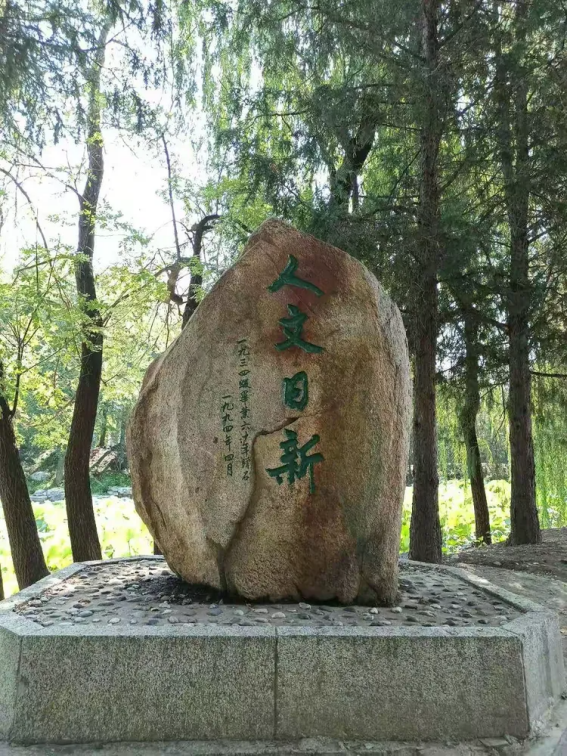
“人文日新”碑,由清华1934级校友于毕业60周年之际(1994年)敬赠母校,并于校庆83周年纪念日隆重落成。碑上镌刻的“人文日新”四字,正是清华校园文化与精神的核心象征。
1934级堪称清华校史上群星璀璨的一届。这方纪念碑的捐赠者们,有许多如雷贯耳的名字:季羡林、夏鼐、吴晗、翁文波、张宗燧、孙德和、时钧、高振衡、徐芝纶、张青莲、陈省身、张光斗、赵九章、钱学森、顾功叙、张煦……他们以人文之思、科学之光、工程之智,共同诠释了“日新”的真谛——在传承中突破,在坚守中新生。
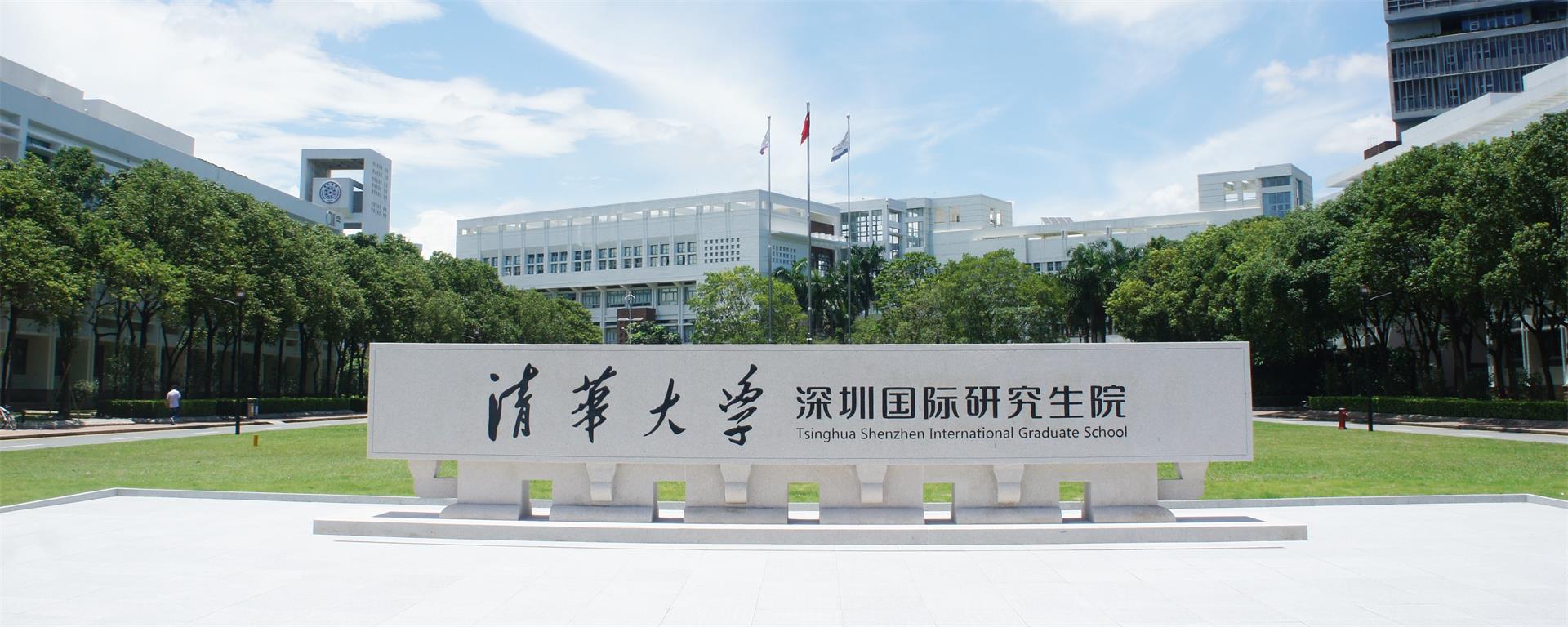
“人文日新”栏目由清华大学深圳国际研究生院人文社会科学部主办,自2025年9月启动,以每日经典晨读,启迪智慧,滋养心灵。更多精彩内容将每日通过“SIGS艺术与人文”微信公众号发布,欢迎广大读者踊跃投稿。
供稿:人文社会科学部
统筹:张成萍、陈芷洹
责编:吴鸿瑶