编者按:
读史使人明智,读诗使人灵秀,数学使人周密,科学使人深刻,伦理学使人庄重,逻辑修辞之学使人善辩。
——〔英〕弗朗西斯·培根,《论读书(节选)》
每一门学问都会塑造人的性格。培根不仅是一位出色的散文家,还在哲学、法学、政治学乃至科学领域里均颇有建树,被誉为“现代科学之父”。他倡导以实验和观察为基础的归纳法,为近代科学的发展奠定了重要的方法论基础。翻开一本书,如同开始一场与智者的对话,让我们在阅读中慢慢塑造自己的气度与性格。
本周领读:张成萍
一、《论读书(节选)》
读书足以怡情,足以傅彩,足以长才。其怡情也,最见于独处幽居之时;其傅彩也,最见于高谈阔论之中;其长才也,最见于处世判事之际。
……
读书使人充实,讨论使人机智,笔记使人准确。因此不常作笔记者须记忆力特强,不常讨论者须天生聪颖,不常读书者须欺世有术,始能无知而显有知。
读史使人明智,读诗使人灵秀,数学使人周密,科学使人深刻,伦理学使人庄重,逻辑修辞之学使人善辩:凡有所学,皆成性格。
——《论读书(节选)》〔英〕弗朗西斯·培根,王佐良 译
英文原文:
Studies serve for delight, for ornament, and for ability. Their chief use for delight is in privateness and retiring; for ornament, is in discourse; and for ability, is in the judgment and disposition of business.…Reading makes a full man; conference a ready man; and writing an exact man. And therefore, if a man write little, he had need have a great memory; if he confer little, he had need have a present wit; and if he read little, he had need have much cunning to seem to know that he doth not.Histories make men wise; poets witty; the mathematics subtle; natural philosophy deep; moral grave; logic and rhetoric able to contend. Abeunt studia in mores.
—Of Studies (Excerpt),by Francis Bacon
二、《无名的裘德》
马车就是裘德以“自学”接受教育的主要场所。一等到那马熟悉了要走的路、要在哪些人家门口停一停,男孩便坐在车前,把缰绳挽在胳膊上,打开要看的书,用绑在车篷上的一根带子把书巧妙地固定好,把词典摊在膝上,接着便一头扎进恺撒、维吉尔或贺拉斯(读到谁就是谁)较为浅显的篇章里,靠着连蒙带猜苦读一气;那种用功的劲头,足以让心软的教书先生落泪……
……他就这样全神贯注地死啃那些古旧的书页——翻过这些书页的人,也许早已入土——从中挖掘出作者们遥远又贴近的思想,任由那匹骨瘦如柴的老马自顾自走它的路。直到马车停下,一个老太婆的喊声传来:“卖面包的,今天要两个,这个陈的退给你!”他才从狄多的悲哀中惊醒过来。
——节选自《无名的裘德》,〔英〕托马斯·哈代著,编者译
英文原文:
Its interior was the scene of most of Jude’s education by “private study.” As soon as the horse had learnt the road, and the houses at which he was to pause awhile, the boy, seated in front, would slip the reins over his arm, ingeniously fix open, by means of a strap attached to the tilt, the volume he was reading, spread the dictionary on his knees, and plunge into the simpler passages from Caesar, Virgil or Horace, as the case might be, in his purblind stumbling way, and with an expenditure of labour that would have made a tender-hearted pedagogue shed tear...
While he was busied with these ancient pages, which had already been thumbed by hands possibly in the grave, digging out the thoughts of these minds so remote yet so near, the bony old horse pursued his rounds, and Jude would be aroused from the woes of Dido by the stoppage of his cart and the voice of some old woman crying, “Two to-day, baker, and I return this stale one.”
—from Jude the Obscure, by Thomas Hardy
三、《红与黑》
老索雷尔在锯木机旁没有找到于连。他本来应该守在那里,却爬到棚顶下比锯木机高五六尺的一根横梁上,骑马似的坐在上头看书。他喊了于连两三声,但不管用。年轻人的心思全都集中在书本上,连锯子的响声都听不见,哪里听得到父亲的喊声。
最后,父亲不顾自己上了年纪,一下跳到正在锯开的树干上,再一下就跳上了支撑棚顶的横梁。他狠狠地一拳头,把于连手里的书打得掉到流水中去了,再狠狠地一巴掌打在他头上,打得他坐不稳。眼看他就要从十几尺高的地方掉下去,掉到正在运转的机器中,碾个粉身碎骨,还好他父亲不等他倒下,就用左手把他抓住。
“好哇,懒骨头!看你以后还敢看这些该死的书,丢下锯子不管吗?要看书也该晚上到神甫家鬼混的时候再看呀。”
于连虽然给一巴掌打得头昏眼花,牙齿出血,还是赶快回到锯木机旁的岗位上。他眼睛里含着泪水,并不是因为打痛了,而是因为丢掉了他那本宝贝书。……他一边走,一边难过地望了望那条流水,水里有那本他最心爱的书:《圣赫勒拿岛回忆录》。
——节选自〔法〕司汤达著《红与黑》第四章“父与子”,许渊冲译
英文译文:
Père Sorel looked in vain for Julien in the place where he ought to have been standing, beside the saw. He caught sight of him five or six feet higher up, sitting astride upon one of the beams of the roof. ...It was in vain that he called Julien two or three times. The attention the young man was paying to his book, far more than the noise of the saw, prevented him from hearing his father's terrifying voice.
Finally, despite his years, the father sprang nimbly upon the trunk that was being cut by the saw, and from there on to the cross beam that held up the roof. A violent blow sent flying into the mill lade the book that Julien was holding; a second blow no less violent, aimed at his head, in the form of a box on the ear, made him lose his balance. He was about to fall from a height of twelve or fifteen feet, among the moving machinery, which would have crushed him, but his father caught him with his left hand as he fell.
Well, idler! So you keep on reading your cursed books, when you ought to be watching the saw? Read them in the evening, when you go and waste your time with the cure.
Julien, although stunned by the force of the blow, and bleeding profusely, went to take up his proper station beside the saw. There were tears in his eyes, due not so much to his bodily pain as to the loss of his book, which he adored. ...As he passed it, he looked sadly at the mill lade into which his book had fallen; it was the one that he valued most of all, the Mémorial de Sainte-Hélène.
—from The Red and the Black, by Stendhal, translated by C. K. Scott Moncrieff
四、《观书》
观书
〔明〕于谦
书卷多情似故人,晨昏忧乐每相亲。
眼前直下三千字,胸次全无一点尘。
活水源流随处满,东风花柳逐时新。
金鞍玉勒寻芳客,未信我庐别有春。
英文译文:
On Books
Books are like old friends, faithful and dear;
At dawn and dusk, in joy or sorrow, always near.
Before my eyes, three thousand words rush past in a stream;
Within my heart, not a speck of dust remains unseen.
Like living waters, their sources run full everywhere;
Like spring winds, they renew each bloom with gentle care.
Those mounted in gold, in search of pleasures that roam—
Would scarcely believe: in my hut abides a spring of its own.
—By Yu Qian, translated by the editor
五、《生活的艺术》
世上并没有人人必读的书,但有必须在某一时间,必须在某一地点,必须在某种环境之中,必须在某一时代方可以读的书。我颇以为读书也和婚姻相同,是由姻缘或命运所决定。世上即使有人人必读的书,但读它必应有一定的时期。当一个人的思想和经验尚没有达到可读一本名著的相当时期时,他即使勉强去读,也必觉得其味甚劣。孔子说,五十读易。他的意思就是说,四十五岁时还不能读。一个人没有到识力成熟的时候,绝不能领略《论语》中孔子话语中淡淡的滋味和他已成熟的智慧。
——节选自林语堂《生活的艺术》第十二章“读书的艺术”,越裔汉译
英文原文:
There are no books in this world that everybody must read, but only books that a person must read at a certain time in a given place under given circumstances and at a given period of his life. I rather think that reading, like matrimony is determined by fate or yinyüan. Even if there is a certain book that every one must read, ...there is a time for it. When one's thoughts and experience have not reached a certain point for reading a masterpiece, the masterpiece will leave only a bad flavor on his palate. Confucius said, When one is fifty, one may read the Book of Changes, which means that one should not read it at forty-five. The extremely mild flavor of Confucius' own sayings in the Analects and his mature wisdom cannot be appreciated until one becomes mature himself.
—Excerpt from “The Art of Reading,” in The Importance of Living (1937), by Lin Yutang.
【栏目寄语】
“人文日新”,源自清华百年精神内核,意指人文精神的传承与革新。
“人文日新”栏目,愿以每日晨读为微光,与您共燃思想星火。
“人文日新”不止于晨读,更是对永恒命题的求索。
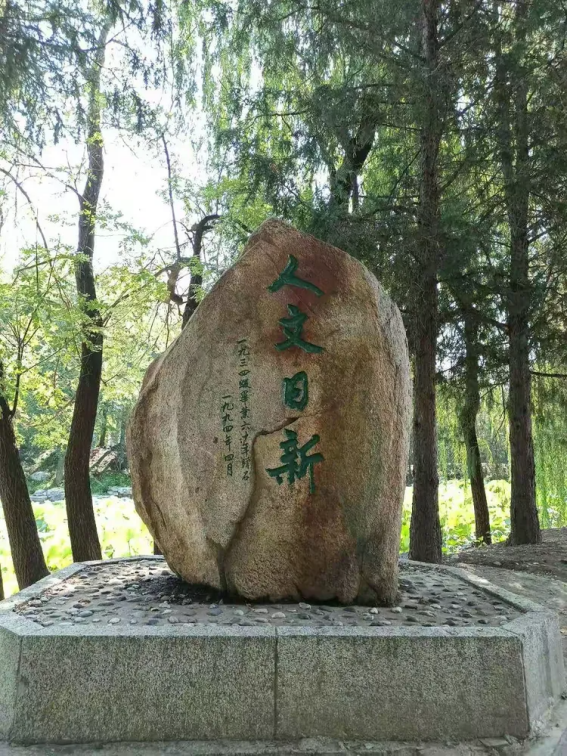
“人文日新”碑,由清华1934级校友于毕业60周年之际(1994年)敬赠母校,并于校庆83周年纪念日隆重落成。碑上镌刻的“人文日新”四字,正是清华校园文化与精神的核心象征。
1934级堪称清华校史上群星璀璨的一届。这方纪念碑的捐赠者们,有许多如雷贯耳的名字:季羡林、夏鼐、吴晗、翁文波、张宗燧、孙德和、时钧、高振衡、徐芝纶、张青莲、陈省身、张光斗、赵九章、钱学森、顾功叙、张煦……他们以人文之思、科学之光、工程之智,共同诠释了“日新”的真谛——在传承中突破,在坚守中新生。
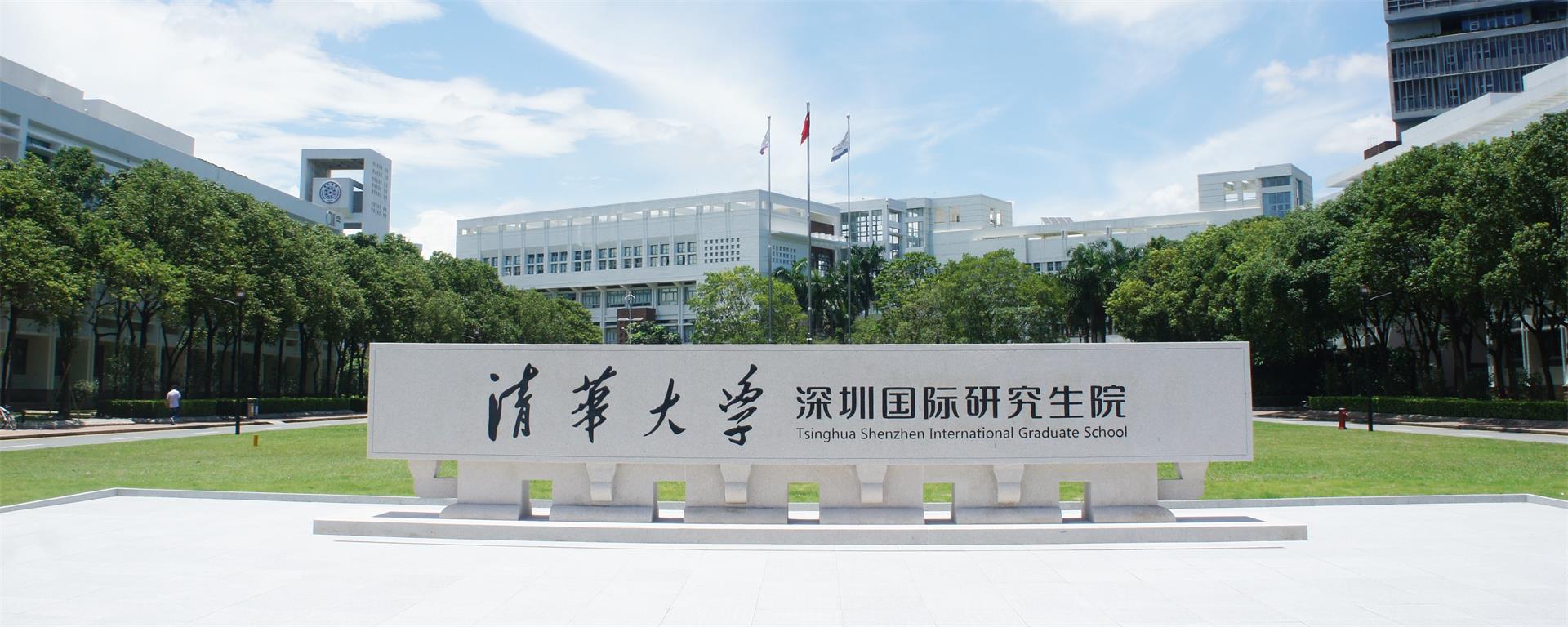
“人文日新”栏目由清华大学深圳国际研究生院人文社会科学部主办,自2025年9月启动,以每日经典晨读,启迪智慧,滋养心灵。更多精彩内容将每日通过“SIGS艺术与人文”微信公众号发布,欢迎广大读者踊跃投稿。
供稿:人文社会科学部
统筹:张成萍
责编:吴鸿瑶