
Tel:
Email: xmhe@sz.tsinghua.edu.cn
Address: International Phase I
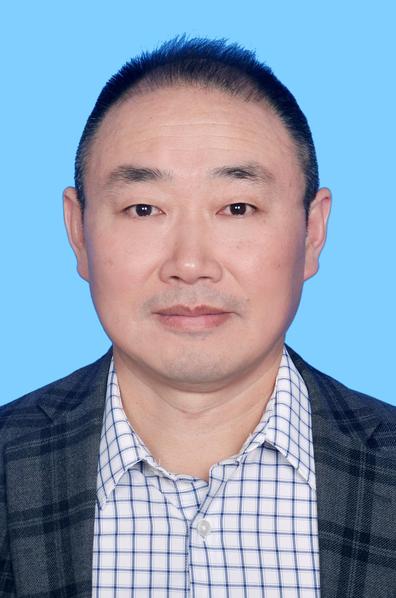
Dr. Xiaoming He is a Tenured Full Professor and PhD Advisor of Tsinghua University, Member of the European Academy of Sciences and Arts (EASA), Fellow of the American Institute of Medical and Biological Engineering (AIMBE), Fellow of the American Society of Mechanical Engineers (ASME), and Research Scholar of the American Cancer Society. He obtained his bachelor’s and master’s degrees in energy and power (air-conditioning, refrigeration, and cryogenic) engineering in 1995 and 1998, respectively. After working for two years in Beijing University of Technology, he went to study in the University of Minnesota-Twin Cities in August 2000 and obtained his PhD degree in May 2004. After three years of postdoc training in Harvard Medical School-Massachusetts General Hospital, he joined the University of South Carolina as an Assistant Professor and PhD Advisor of mechanical and biomedical engineering in 2007. In 2011, he joined The Ohio State University as an Associate Professor of biomedical and mechanical engineering, and became a Tenured Full Professor in mid-2017. He then moved to the University of Maryland in late 2017 as a Tenured Full Professor of bioengineering. Since early 2026, he has been working as a Tenured Full Professor of Tsinghua University in the Institute of Biopharmaceutical and Health Engineering of the Tsinghua Shenzhen International Graduate School. His research has been mainly focused on developing micro, nano, and quantum-scale and microenvironment-responsive biomaterials and devices, for stem-cell and immune engineering, extracellular vesicle-cell-tissue-organ banking at both ambient and cryogenic temperatures, and intelligent drug-gene-cell delivery in vivo. His research has been funded by multiple major grants from the National Institutes of Health (NIH, 8 R01s), National Science Foundation (NSF), American Cancer Society, and Maryland Stem Cell Research Fund. He has published more than 150 papers in high-impact journals including Nature Biomedical Engineering and Nature Nanotechnology. He owns 15 granted or pending national and international patents and has founded startup company to translate his patented technologies. His work has been cited more than 12,000 times with an h-index of 64. He has led or participated in the organization of various international conferences including the Society for Cryobiology Annual Meeting, ASME Summer Bioengineering Conference, ASME Global Congress on NanoEngineering for Medicine and Biology, and World Congress on Biomechanics. He was the Vice Chair (2015-2018) and Chair (2018-2021) of the ASME Biotransport (Bioheat and Mass Transfer) Committee. He is the Editor-in-Chief of the Journal of Medical Devices published by ASME, and President-Elect of the international Society for Cryobiology.
2004.7 – 2007.8 Harvard Medical School-Massachusetts General Hospital, Biomedical Engineering, Postdoc
2000.8 – 2004.5 University of Minnesota-Twin Cities, Mechanical Engineering, PhD
1995.9 – 1998.7 Xi’an Jiaotong University, Refrigeration and Cryogenic Engineering, Master
1991.9 – 1995.7 Xi’an Jiaotong University, Heating, Ventilation, and Air-Conditioning (HVAC) Engineering, Bachelor
2026.2 - Tsinghua University, Shenzhen International Graduate School, Professor
2017.12 - 2025.12 University of Maryland-College Park, Department of Bioengineering, Professor
2017.6 - 2017.11 Ohio State University-Columbus, Department of Biomedical Engineering, Professor
2011.7 - 2017.6 Ohio State University-Columbus, Department of Biomedical Engineering, Associate Professor
2007.8 - 2011.6 University of South Carolina-Columbia, Department of Mechanical Engineering and Division of Biomedical Engineering, Assistant Professor
2003.10 - 2004.6 American Medical Systems, Inc., Development Engineering Intern
1998.8 - 2000.8 Beijing University of Technology, Department of Heating, Ventilation, and Air-Conditioning Engineering, Lecturer
Society for Cryobiology: President-Elect (2026 - )
Journal of Medical Devices (published by ASME): Editor-in-Chief (2024 - )
Chinese Association for Biomaterials Award Committee: Chair (2024 - )
Society for Cryobiology Annual Meeting: Chair (2023 - 2024)
ASME Biotransport (Bioheat and Mass Transfer) Committee: Chair (2018 - 2021)
Prof. Xiaoming He’s research has been focused on integrating the fundamental principles of heat and transfer, fluid and solid mechanics, thermodynamics, electromagnetics, and mechanical design with chemistry, biology, immunology, pathology, physiology, and medicine, to develop micro-nano-quantum scale biomaterials and devices that are responsive to their microenvironment, with applications in stem-cell and immune engineering, banking of biological systems (including biomacromolecules, bioparticles, cells, tissues, and organs) at cryogenic and ambient temperatures, and intelligent in vivo delivery of various medicines including genes and cells. He has designed ingenious biomaterials and devices to engineer small molecules, biomacromolecules, immune cells, and normal and cancer stem cells, for developing new technologies to treat cancer, cardiovascular diseases, infertility, diabetes, neurological disorders, etc. He has made seminal contributions in these multidisciplinary fields, which greatly facilitates the advances and applications of the burgeoning cell-based medicine and conventional molecule-based medicine (particularly the game-changing RNA therapy). Since 2011, his research has been continuously funded by four different NIH institutes (NCI, NIBIB, NIAID, and NHLBI) through various mechanisms including 8 R01s. He has also received multiple major research grants from other governmental and private agencies like the national Science Foundation (NSF), American Cancer Society, and Maryland Stem Cell Research Fund. In total, he has secured more than 20 million in support of his research. He has published more than 150 articles in high-impact journals including Nature Biomedical Engineering and Nature Nanotechnology, together with one book and five book chapters. He has 16 granted/pending patents. His work has been cited more than 12000 times with an h-index of 64.
1. Biomimetic engineering of human induced pluripotent stem cells (iPSCs) for personalized medicine
2. Biomimetic engineering of immune cells for augmented immunotherapy
3. Targeted microenvironment-responsive gene and drug delivery-potentiated immunotherapy
4. New technologies for banking biosystems (stem cells, immune cells, tissues, and organs and their derivatives like EVs and organoids) at cryogenic and ambient temperatures
5. Engineering ovarian follicles for assisted reproduction
6. Multiscale hydrogel biomaterials-enabled 3D modeling of cancer drug resistance
7. Nanotechnology for targeted therapy and fundamental study of cancer relapse and metastasis.
[1] Mahanty, M., Ou, W., Zhu, X., Bromberg, J.S., He, X.*, and Rahaman, S.O.* A novel core-shell hydrogel 3D model for studying macrophage mechanosensing and foreign body giant cell formation. Advanced Healthcare Materials 2026; 15: e01614 (*co-corresponding authors)
[2] Shamul, J.G., Wang, Z., Gong, H., Ou, W., White, A.M., Garcia, D.P.M., Gu, S., Clyne, A.M., Quinones-Hinojosa, A., and He, X. Meta-analysis of the make-up and properties of in vitro models of the healthy and diseased blood-brain barrier. Nature Biomedical Engineering 2025; 9: 566-598
[3] Wang, Z., Stewart, S., Kumagai, M., Wang, E., Ou, W., Lu, Y., Meng, T., Xu, C., Hong, Y., Ren, S., and He, X. High-yield convenient mass production of high-quality homogenous human iPSC spheroids under Rock inhibitor-free 3D culture enabled by micropatterning and cold-triggered chemical-free cell detachment. Small Science 2025; 5: 2500201
[4] Ou, W., Stewart, S., White, A.M., Kwizera, E.A., Xu, J., Shamul, J.G., Tkaczuk, K.H.R., Lu, X., and He, X. In-situ cryo-immune engineering of an immunologically hot tumor microenvironment with cold-responsive nanomaterials for cancer immunotherapy. Nature Communications 2023; 14: 392
[5] Stewart, S., Ou, W., Aranda-Espinoza, H., Rahaman, S.O., and He, X. Micromechanical characterizations and viscoelastic modeling reveal elastic and viscoelastic heterogeneities in ovarian tissue and the significant viscoelastic contribution to the apparent elastic modulus determined by AFM indentation. Acta Biomaterialia 2023; 168: 286-297
[6] Kwizera, E.A., Ou, W., Lee, S., Stewart, S., Shamul, J.G., Xu, J., Tait, N., Tkaczuk, K.H.R., and He, X. Greatly enhanced CTC culture enabled by capturing CTC heterogeneity using a PEGylated PDMS-titanium-gold electromicrofluidic device with glutathione-controlled gentle cell release. ACS Nano 2022; 16: 11374-11391
[7] Huang, H.*, He, X.*, and Yarmush, M.* Advanced technologies for the preservation of mammalian biospecimens. Nature Biomedical Engineering 2021; 5: 793-804 (*co-corresponding authors)
[8] White, A.M., Zhang, Y., Shamul, J.G., Xu, J., Kwizera, E.A., Jiang, B., and He, X. Deep learning-enabled label-free on-chip detection and selective extraction of cell aggregate-laden hydrogel microcapsules. Small 2021; 17: 2100491
[9] Jiang, B., Li, W., Stewart, S., Ou, W., Liu, B., Comizzoli, P., and He, X. Sand-mediated ice seeding enables serum-free low-cryoprotectant cryopreservation of human induced pluripotent stem cells. Bioactive Materials 2021; 6: 4377-4388
[10] Xu, J., Liu, Y., Li, Y., Wang, H., Stewart, S., Van der Jeught, K., Agarwal, P., Zhang, Y., Liu, S., Zhao, G., Wan, J., Lu, X., and He, X. Precise targeting of POLR2A as a therapeutic strategy for human triple negative breast cancer. Nature Nanotechnology 2019; 14: 388-397
[11] Zhang, Y., Wang, H., Stewart, S., Jiang, B., Ou, W., Zhao, G., and He, X. Cold-responsive nanoparticle enables intracellular delivery and rapid release of trehalose for organic solvent-free cryopreservation. Nano Letters 2019; 19: 9051-9061
[12] Agarwal, P., Wang, H., Sun, M., Xu, J., Zhao, S., Liu, Z., Gooch, K.J., Zhao, Y., Lu, X., and He, X. Microfluidics-enabled bottom-up engineering of 3D microvascularized human tumor for drug discovery. ACS Nano 2017; 11: 6691-6702
[13] Zhao, S., Xu, Z, Wang, H., Reese, B., Gushchina, L., Jiang, M., Agarwal, P., Xu, J., Zhang, M., Shen, Y., Liu, Z., Weisleder, N., and He, X. Bioengineering of injectable encapsulated aggregates of pluripotent stem cells for therapy of myocardial infarction. Nature Communications 2016; 7: 13306
[14] Zhao, S., Zhang, L., Han, J., Chu, J., Wang, H., Chen, X., Wang, Y., Tun, N., Lu, L., Bai, X.-F., Martha, Y., Devine, S., He, X.*, and Yu, J.* Conformal nanoencapsulation of allogeneic T cells mitigates graft-versus-host disease and retains graft-versus-leukemia activity. ACS Nano 2016; 10: 6189-6200 (*co-corresponding authors)
[15] Choi, J.K., Agarwal, P., Huang, H., Zhao, S., and He, X. The crucial role of mechanical heterogeneity in regulating follicle development and ovulation with engineered ovarian microtissue. Biomaterials 2014; 35: 5122-5128
He, X. and Bischof, J.C. (Editors). Multiscale Technologies for Cryomedicine-Implementation from Nano to Macroscale, Singapore: World Scientific Publishing Co./Imperial College Press, 2016 (ISBN: 978-981-4733-18-2)
1. He, X., Li, W., and Jiang, B. System, device, and method for cell cryopreservation via sand-mediated ice seeding. US patent application (divisional) No. US19/263,995, filed on 07/09/2025
2. He, X. System, apparatus, and method for spheroidal pluripotent stem cell generation using cold-triggered detachment. US patent application No. US19/090,572, filed on 03/26/2025
3. He, X. and Ou, W. In-situ cryo-immune engineering (ICIE) for cancer immunotherapy. Disclosed to the University of Maryland Technology and Commercialization Office on 05/15/2022. U.S. provisional patent application (US63/480434) filed on 01/18/2023; US patent application No. US18/415,331, filed on 01/17/2024
4. He, X. and Jiang, B. Method for cardiac differentiation of human pluripotent stem cells. Disclosed to the University of Maryland Technology and Commercialization Office on 12/20/2020; US patent application No. US17/814,044, filed on 07/21/2022
5. He, X., Xu, J., and Shamul, J.G. Microencapsulation-based isolation of human pluripotent and multipotent stem cells and methods of making and using the same. Disclosed to the University of Maryland Technology and Commercialization Office on 04/17/2021. US patent application No. US17/663,372, filed on 05/13/2022
6. He, X. and White, A.M. System and method for selective microcapsule extraction. Disclosed to the University of Maryland Technology and Commercialization Office on 04/16/2021; US patent application No. US17/725,096, filed on 04/20/2022
7. He, X., Li, W., and Jiang, B. System, device, and method for cell cryopreservation via sand-mediated ice seeding. Disclosed to the University of Maryland Technology and Commercialization Office on 01/28/2021; US patent application No. US17/659,432, filed on 04/15/2022; USPTO patent No. US 12,382,953 (granted on 08/12/2025)
8. He, X. System, device, and method for single-cell encapsulation and culture. US provisional application (US63/013,173) filed on 04/21/2020. US patent Application No. 17/920440, filed on 04/21/2021. International patent application (PCT/US2021/028503) filed on 04/21/2022
9. He, X., Lu, X., Xu, J. pH-activated nanoparticles. US Provisional Application (US62/752,851) filed on 10/30/2018. International patent application (PCT/US2019/058907) filed on 10/30/2019. US patent application No. US17/289,425, filed on 10/30/2019. European patent application No. EP19880846.1, filed on 10/30/2019
10. He, X., Zhao, S., Weisleder, N., Liu, Z., and Xu, Z. Bioengineering of injectable encapsulated aggregates of pluripotent stem cells for therapy of myocardial infarction. Disclosed to OSU Technology and Commercialization Office on10/24/2013. International Application No. PCT/US2017/058837, filed on 10/27/2017
11. He, X., Agarwal, P., and Zhao, S. Microcapsules encapsulating living cells. USPTO patent application No. 14/075,912, filed 11/08/2013
12. He, X. and Zhang, W. Microcapsules for cell microencapsulation. USPTO patent application No. US20120231443, filed on 03/092012
13. He, X. Encapsulation and controlled release of small molecules for intracellular delivery using thermally responsive nanocapsules. US patent application (US12/705,07) filed on 02/12/2012; USPTO patent No. US 8,318,207 (granted on 11/27/2012)
14. He, X. Methods for augmentation of cell cryopreservation. US patent application No. US12/796,994, filed on 06/09/2010
15. He, X. Controlled drug delivery using a thermally responsive nanocapsule to augment cryoablation. US patent application No. US12/714,931, filed on 03/012010
16. He, X., Toth, T., Toner, M., and Ed, J. Methods for cryopreservation of cells. International patent application (WO/2007/120829A2). US patent application No. US12/226,300 filed on 04/12/2007). USPTO patent No. US9538745B2 (granted on 01/10/2017)
2025 Fellow: Asia-Pacific Artificial Intelligence Association
2024 Awardee: Maryland Stem Cell Research Fund Commercialization Program
2024 Fellow: Industry Academy of the International Artificial Intelligence Industry Alliance
2023 Member: European Academy of Sciences and Arts (EASA)
2023 Finalist: Invention of the Year, University of Maryland
2022 Awardee: Maryland Stem Cell Research Fund Validation Program
2021 Awardee: Maryland Brain and Behavior Institute Seed Grant Program
2021 Awardee: Maryland Stem Cell Research Fund Discovery Program
2020 Awardee: NIH/NCI Innovative Research in Cancer Nanotechnology (IRCN) Program
2020 Honoree: Maryland Research Excellence Celebration
2018 Fellow: American Institute for Medical and Biological Engineering (AIMBE)
2017 Fellow: The American Society of Mechanical Engineers (ASME)
2016 Lumley Research Award: College of Engineering, Ohio State University
2015 Finalist: Innovator of the Year, College of Engineering, Ohio State University
2014 Member of the US-India Young Scientist Exchange Workshop on Nano-Engineering in Medicine: The Indo-US Science and Technology Forum (IUSSTF)
2013 Member of the US-Japan Young Scientist Exchange Program on Bio-Micro-Nano: NSF-National Institute for Materials Science (NIMS, Japan)
2012 Top 50 Reviewers: Biotechnology and Bioengineering
2011 Research Scholar: American Cancer Society

校区地址:深圳市南山区西丽大学城清华园区
邮编:518055

